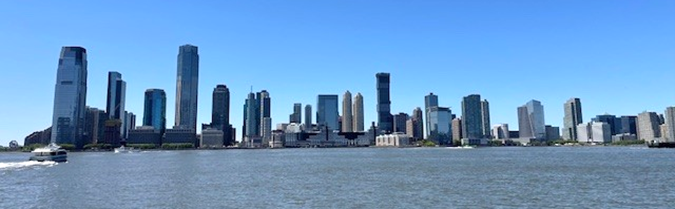
Jersey City has undergone a significant transformation over the past decade, driven by extensive commercial and residential development efforts. Strong connectivity to Manhattan, combined with expansive Hudson River waterfront areas, has enhanced the city’s appeal to residents and businesses seeking accessibility to New York City with relatively lower costs.
Industry Insights
We have written thousands of articles about all aspects of hospitality, including valuations, investing, lending, operations, asset management, and much more.
The Growth and Reinvention of Jersey City in Northern New Jersey
Jersey City has undergone a significant transformation over the past decade, driven by extensive commercial and residential development efforts. Strong connectivity to Manhattan, combined with expansive Hudson River waterfront areas, has enhanced the city’s appeal to residents and businesses seeking accessibility to New York City with relatively lower costs.
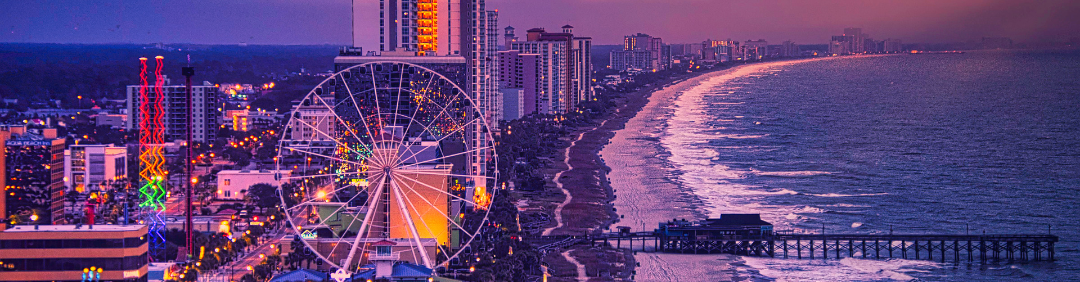
The K-Shaped Recovery of Myrtle Beach’s Hotel Market
In the wake of the pandemic, Myrtle Beach has experienced a K-shaped hotel recovery. The broader market has softened from post-pandemic peaks, with lower supply, demand, and revenue, while branded, upper-midscale and above hotels have expanded and outperformed pre-2019 levels. That divergence has drawn new investment, rebranding, and redevelopment in the market’s higher-end segment, signaling sustained confidence.
Looking Toward the Normalization of the New Orleans Hotel Market
Although a slow COVID recovery and negative news cycles previously cast doubt on New Orleans’ viability as a vacation destination, the popularity of the city is supporting strong leisure travel rebound and an optimistic convention schedule.
Philadelphia Lodging Market: Post-Pandemic, Today, and Beyond
Philadelphia has experienced a slower demand rebound from the effects of the pandemic. However, despite some current external headwinds, there is significant optimism for the city on the horizon, with upward momentum expected in 2026 and beyond.
Hotel Investment Risk and Performance by Product Type in Kansas City
This article evaluates how full-service, select- and limited-service, and extended-stay hotels in the Kansas City metro market have performed across economic cycles. Our analysis highlights key differences in revenue potential, risk exposure, and recovery patterns to inform development and investment decisions.
Sedona’s Lodging Market: Resilience and Pricing Power
Nestled among the iconic red rock formations of northern Arizona, Sedona is one of the most distinctive leisure destinations in the American Southwest. Over the past decade, Sedona’s hotel market has demonstrated remarkable resilience, supported by strong leisure demand, constrained hotel supply, and a reputation as a premium outdoor and wellness destination.
Room Supply Constraints Limiting Convention Growth in Hartford
Hartford’s hotel market has demonstrated strong performance, with occupancy and ADR exceeding pre-pandemic levels. However, a significant decline in hotel room supply has hindered the convention center’s ability to attract large-scale events, underscoring the need for additional lodging to support long-term competitiveness.
Minneapolis–St. Paul Hotel Recovery Remains Tepid
The hotel sector in Minneapolis–St. Paul continues to evolve and recover from pre- and post-pandemic oversupply and demand changes. Leisure and event-driven travel have returned with renewed energy, but not yet at the scale needed to fully offset the region’s corporate travel losses.
Oregon Coast: A Thriving Tourism Destination
The Oregon Coast is a vibrant, drive-to destination in the Pacific Northwest, known for its scenic charm and strong tourism appeal. With steady post-pandemic recovery and revitalization efforts underway, the region is poised for continued growth, drawing visitors to its coastal cities year-round.
State of the District: A Look at the Washington, D.C., Lodging Market
Decisions at the federal level, such as import tariffs, are affecting global markets, and cuts initiated by the Department of Government Efficiency (DOGE) are having impacts across the nation. These policies are also significantly affecting hotels in Washington, D.C., the market located at the heart of the federal government.
Industry Insights
We have written thousands of articles about all aspects of hospitality, including valuations, investing, lending, operations, asset management, and much more.
In the wake of the pandemic, Myrtle Beach has experienced a K-shaped hotel recovery. The broader market has softened from post-pandemic peaks, with lower supply, demand, and revenue, while branded, upper-midscale and above hotels have expanded and outperformed pre-2019 levels. That divergence has drawn new investment, rebranding, and redevelopment in the market’s higher-end segment, signaling sustained confidence.
Although a slow COVID recovery and negative news cycles previously cast doubt on New Orleans’ viability as a vacation destination, the popularity of the city is supporting strong leisure travel rebound and an optimistic convention schedule.
Philadelphia has experienced a slower demand rebound from the effects of the pandemic. However, despite some current external headwinds, there is significant optimism for the city on the horizon, with upward momentum expected in 2026 and beyond.
This article evaluates how full-service, select- and limited-service, and extended-stay hotels in the Kansas City metro market have performed across economic cycles. Our analysis highlights key differences in revenue potential, risk exposure, and recovery patterns to inform development and investment decisions.
Nestled among the iconic red rock formations of northern Arizona, Sedona is one of the most distinctive leisure destinations in the American Southwest. Over the past decade, Sedona’s hotel market has demonstrated remarkable resilience, supported by strong leisure demand, constrained hotel supply, and a reputation as a premium outdoor and wellness destination.
Hartford’s hotel market has demonstrated strong performance, with occupancy and ADR exceeding pre-pandemic levels. However, a significant decline in hotel room supply has hindered the convention center’s ability to attract large-scale events, underscoring the need for additional lodging to support long-term competitiveness.
The hotel sector in Minneapolis–St. Paul continues to evolve and recover from pre- and post-pandemic oversupply and demand changes. Leisure and event-driven travel have returned with renewed energy, but not yet at the scale needed to fully offset the region’s corporate travel losses.
The Oregon Coast is a vibrant, drive-to destination in the Pacific Northwest, known for its scenic charm and strong tourism appeal. With steady post-pandemic recovery and revitalization efforts underway, the region is poised for continued growth, drawing visitors to its coastal cities year-round.
Decisions at the federal level, such as import tariffs, are affecting global markets, and cuts initiated by the Department of Government Efficiency (DOGE) are having impacts across the nation. These policies are also significantly affecting hotels in Washington, D.C., the market located at the heart of the federal government.
Robust demand in urban centers continues to drive Canadian hotel values despite high interest rate environment.