Each year, HVS researches and compiles development costs from our database of actual hotel construction budgets. This source provides the basis for our illustrated total development costs per room and per product type.
We have written thousands of articles about all aspects of hospitality, including valuations, investing, lending, operations, asset management, and much more.
Each year, HVS researches and compiles development costs from our database of actual hotel construction budgets. This source provides the basis for our illustrated total development costs per room and per product type.
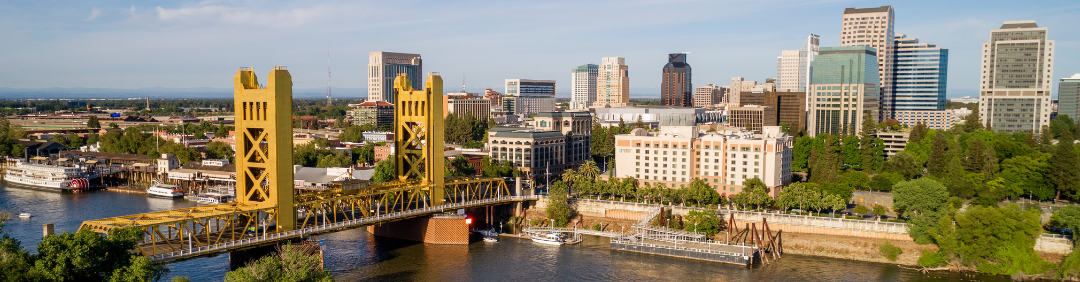
Sacramento has emerged as a bright spot in California’s hospitality market, with significant growth underway and on the horizon. Although recent inflation and broader economic pressures have tempered the pace of expansion, future development activity and sustained hospitality demand provide a strong foundation for long-term growth.
Anaheim’s hotel market did not deliver the banner 2025 many expected, but the more important story is what lies ahead. Long-term Disney investment, a strengthening convention calendar, and the emergence of mega-development OCVIBE are positioning Anaheim for a new phase of lodging demand growth.
San Diego remains one of the West Coast’s most attractive hotel investment markets, driven by diversified demand from leisure, conventions, military, and life sciences. With roughly 45% of downtown keys owned by REITs and private equity, the market reflects strong institutional confidence, resilient performance, active transactions, and long-term growth supported by major infrastructure investments.
Los Angeles’ occupancy remains below pre-pandemic levels, due primarily to entertainment-related strikes, soft leisure demand, weak international visitation, and wildfire disruptions in early 2025. However, the region’s diverse economy positions it for recovery, aided by the 2026 FIFA World Cup. Entertainment production and international air travel are expected to stabilize, while ADR should grow.
Following a slow post-pandemic recovery and a modest decline in 2024, RevPAR for the San Francisco market has rebounded in 2025, with year-to-date performance reaching the highest levels since 2020. With strengthening fundamentals, the market appears poised for notable growth in hotel investments.
This fifteenth annual Lodging Tax Study presents data on city, state, and special district lodging and sales taxes imposed on lodging sales. We provide historical data on tax rates and collection and distribution of revenue from lodging taxes levied in all 50 States and the 150 largest US cities. Our analysis of 25 major U.S. hotel markets shows room revenue growth slowing through 2024 and leveling off through the first eight months of 2025, reflecting weakening travel demand across key markets.
The Oregon Coast is a vibrant, drive-to destination in the Pacific Northwest, known for its scenic charm and strong tourism appeal. With steady post-pandemic recovery and revitalization efforts underway, the region is poised for continued growth, drawing visitors to its coastal cities year-round.
Albuquerque is experiencing dynamic growth, as its rich cultural history is blended with modern developments, such as airport upgrades and hotel openings or renovations. These factors are helping to reshape the local hospitality market.
This article provides an overview of the use and application of capitalization rates and rooms revenue multipliers in the valuation of limited-service hotels, as well as recent trends for these metrics, as researched and compiled by U.S. Hotel Appraisals and HVS.
We have written thousands of articles about all aspects of hospitality, including valuations, investing, lending, operations, asset management, and much more.
Each year, HVS researches and compiles development costs from our database of actual hotel construction budgets. This source provides the basis for our illustrated total development costs per room and per product type.
Sacramento has emerged as a bright spot in California’s hospitality market, with significant growth underway and on the horizon. Although recent inflation and broader economic pressures have tempered the pace of expansion, future development activity and sustained hospitality demand provide a strong foundation for long-term growth.
Anaheim’s hotel market did not deliver the banner 2025 many expected, but the more important story is what lies ahead. Long-term Disney investment, a strengthening convention calendar, and the emergence of mega-development OCVIBE are positioning Anaheim for a new phase of lodging demand growth.
San Diego remains one of the West Coast’s most attractive hotel investment markets, driven by diversified demand from leisure, conventions, military, and life sciences. With roughly 45% of downtown keys owned by REITs and private equity, the market reflects strong institutional confidence, resilient performance, active transactions, and long-term growth supported by major infrastructure investments.
Los Angeles’ occupancy remains below pre-pandemic levels, due primarily to entertainment-related strikes, soft leisure demand, weak international visitation, and wildfire disruptions in early 2025. However, the region’s diverse economy positions it for recovery, aided by the 2026 FIFA World Cup. Entertainment production and international air travel are expected to stabilize, while ADR should grow.
Following a slow post-pandemic recovery and a modest decline in 2024, RevPAR for the San Francisco market has rebounded in 2025, with year-to-date performance reaching the highest levels since 2020. With strengthening fundamentals, the market appears poised for notable growth in hotel investments.
This fifteenth annual Lodging Tax Study presents data on city, state, and special district lodging and sales taxes imposed on lodging sales. We provide historical data on tax rates and collection and distribution of revenue from lodging taxes levied in all 50 States and the 150 largest US cities. Our analysis of 25 major U.S. hotel markets shows room revenue growth slowing through 2024 and leveling off through the first eight months of 2025, reflecting weakening travel demand across key markets.
The Oregon Coast is a vibrant, drive-to destination in the Pacific Northwest, known for its scenic charm and strong tourism appeal. With steady post-pandemic recovery and revitalization efforts underway, the region is poised for continued growth, drawing visitors to its coastal cities year-round.
Albuquerque is experiencing dynamic growth, as its rich cultural history is blended with modern developments, such as airport upgrades and hotel openings or renovations. These factors are helping to reshape the local hospitality market.
This article provides an overview of the use and application of capitalization rates and rooms revenue multipliers in the valuation of limited-service hotels, as well as recent trends for these metrics, as researched and compiled by U.S. Hotel Appraisals and HVS.
Robust demand in urban centers continues to drive Canadian hotel values despite high interest rate environment.