Hotel values in St. Louis are rising, and RevPAR reached a new high in 2015. A rise in convention bookings, along with expansion efforts aimed at drawing more leisure demand, provide for an optimistic outlook for the city’s hotel industry.
Industry Insights
We have written thousands of articles about all aspects of hospitality, including valuations, investing, lending, operations, asset management, and much more.
In Focus: St. Louis, MO
Hotel values in St. Louis are rising, and RevPAR reached a new high in 2015. A rise in convention bookings, along with expansion efforts aimed at drawing more leisure demand, provide for an optimistic outlook for the city’s hotel industry.
In Focus: Minneapolis, MN
Major events and tourism boosted occupancy and average rate in the Twin Cities in 2015. Hotels stand to benefit from increased visitation in the years to come, keeping average rates and property values on the rise.
In Focus: Phoenix, AZ
Phoenix’s growth in 2015 reflects the hopes of hotel developers and owners in the market, as performance closes in on pre-recession levels.
Access HVS Boston Key Takeaways
Access HVS Networking Event in Cambridge reveals strengths and challenges for New England markets.
In Focus: Houston, TX
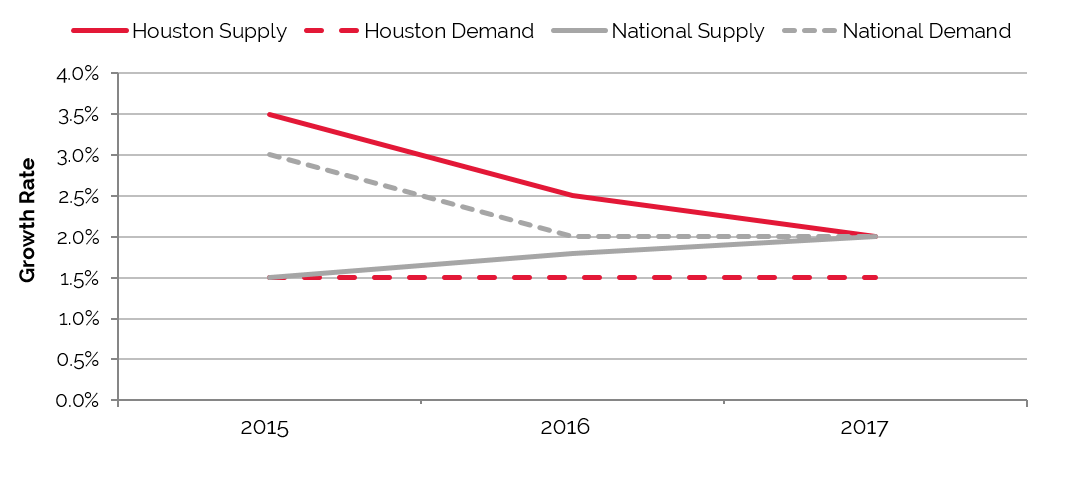
Thanks to energy-driven demand, Houston achieved record occupancy levels in 2014. The recent fall of oil and gas prices and more than 5,000 new rooms on the horizon poses a challenge to market-wide occupancy, though average rates continue to climb.
In Focus: Hampton Roads, VA
Though on the verge of an influx of new hotel supply, demand in Hampton Roads has risen in recent years, improving occupancy and allowing hoteliers to command better rates.
In Focus: Seattle, WA
Occupancy swung above 75% for Seattle’s hotel industry in 2014, a reflection of the city’s blossoming economy. High demand has also supported strong average rates and rising hotel values.
In Focus: Denver, CO
Denver’s growth this year reflects what many hotel developers and owners have been witnessing—as a market for jobs, business, and development, Denver continues to outperform.
HVS Report: Foreign Direct Investment, Commercial Real Estate, and Hotel Development in Mexico City
Mexico City is one of the most densely populated and developed urban areas in the world. How will rising foreign direct investment amplify the dynamics of the city’s office and lodging markets in the wake of the recent recession?
St. Louis Hotels: Riding out the Economic Storm
St. Louis’ job losses in manufacturing have been mitigated by stable financial, government, education, and healthcare sectors. How has the recession impacted area hotels, and what will it mean for the future of this market?
Industry Insights
We have written thousands of articles about all aspects of hospitality, including valuations, investing, lending, operations, asset management, and much more.
Major events and tourism boosted occupancy and average rate in the Twin Cities in 2015. Hotels stand to benefit from increased visitation in the years to come, keeping average rates and property values on the rise.
Phoenix’s growth in 2015 reflects the hopes of hotel developers and owners in the market, as performance closes in on pre-recession levels.
Access HVS Networking Event in Cambridge reveals strengths and challenges for New England markets.
Thanks to energy-driven demand, Houston achieved record occupancy levels in 2014. The recent fall of oil and gas prices and more than 5,000 new rooms on the horizon poses a challenge to market-wide occupancy, though average rates continue to climb.
Though on the verge of an influx of new hotel supply, demand in Hampton Roads has risen in recent years, improving occupancy and allowing hoteliers to command better rates.
Occupancy swung above 75% for Seattle’s hotel industry in 2014, a reflection of the city’s blossoming economy. High demand has also supported strong average rates and rising hotel values.
Denver’s growth this year reflects what many hotel developers and owners have been witnessing—as a market for jobs, business, and development, Denver continues to outperform.
Mexico City is one of the most densely populated and developed urban areas in the world. How will rising foreign direct investment amplify the dynamics of the city’s office and lodging markets in the wake of the recent recession?
St. Louis’ job losses in manufacturing have been mitigated by stable financial, government, education, and healthcare sectors. How has the recession impacted area hotels, and what will it mean for the future of this market?
Robust demand in urban centers continues to drive Canadian hotel values despite high interest rate environment.