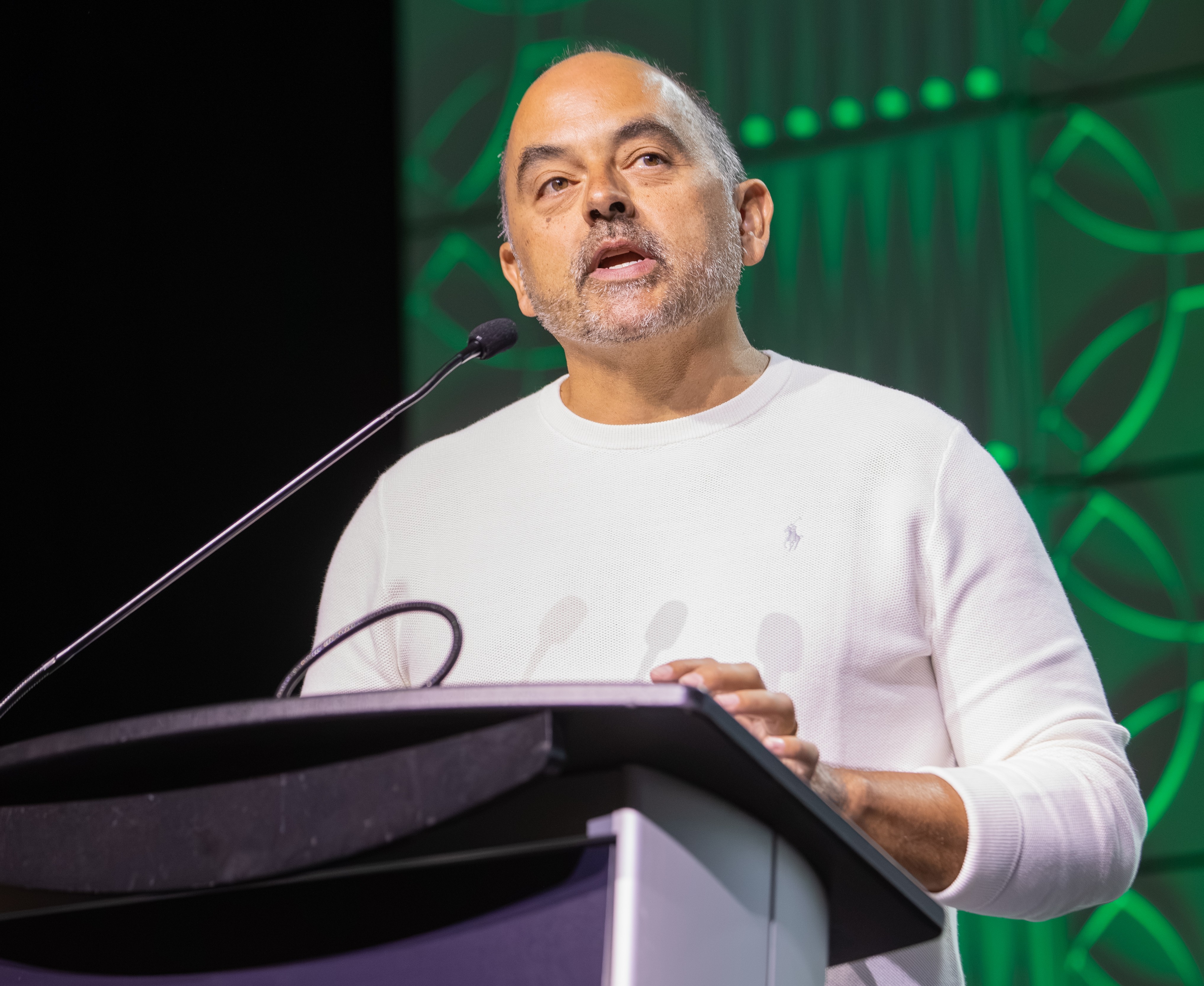
In this article, we provide the market opinions of key HVS global leaders in many different regions of the world. HVS operates across the world, and regional leaders are keenly aware of the dynamics and trends that are influencing performance, profitability, and value.
Recent HVS data show gross operating profit margins declining broadly, driven by increases in labor, operating standards, and shared-service allocations. With ADR growth anticipated to flatten, revenue can no longer absorb rising costs. As hotels convert less revenue into profit, owners must rely on active asset management, benchmarking, and operational realignment to protect NOI in 2026.
Greater Houston’s lodging market is stabilizing, with distinct performance differences across submarkets. While 2024 posted strong results lifted by major events and weather-related displacement, inflation-adjusted levels show that real-dollar gains over 2019 are more modest. As 2025 has unfolded, differences between the city and outlying submarkets have become clearer as the market returns to more typical operating patterns.
The 2025 edition of the Caribbean Hotel Investment Conference & Operations Summit (CHICOS) brought nearly 300 attendees to the Marriott Beach Resort & Spa Willemstad in Curaçao for several days of networking and industry insights from key stakeholders in the region. This article provides the main takeaways from this year’s conference.
Huntsville, also known as “Rocket City,” has rapidly become a major market in Alabama and the Southern United States, supported by a robust commercial and government demand base. As Huntsville undergoes unprecedented growth, hotel development has surged to meet the overflowing demand.
Tucson’s hotel supply and investment interest have evolved in the past few years. From the addition of boutique hotels in the downtown area to new extended-stay options near hospitals and office parks, the city is experiencing one of its most dynamic hotel development cycles in decades.
The hospitality industry has faced numerous challenges over the past few years, such as the COVID-19 pandemic, rising interest rates, and the recent immigration policies and tariffs. Despite these headwinds, recent data indicate an upward trend in SBA loans for hotels in 2025. This increase reflects renewed investor confidence, resilience in the limited-service hotel market, and the need to transact.
The Manhattan market has been experiencing a prolonged post-pandemic occupancy recovery, despite strong ADR gains. Although legislative and supply changes should bolster this recovery, recent geopolitical factors and the tariffs and policy changes enacted by the new federal administration are expected to affect short-term hotel market trends. Our current demand forecast shows a full recovery beyond 2019 levels by 2027/28.
The Guanacaste province on Costa Rica's Pacific Coast has experienced tremendous growth over the past two decades, fueling opportunities for further lodging development to accommodate growing tourism demand. To support sustainable growth and maintain Guanacaste’s eco-luxury appeal, it will be essential to address challenges such as infrastructure shortcomings while balancing environmental stewardship.
Major cities in the Southeast like Charleston, Atlanta, Savannah, and Raleigh-Durham remain strong hotel investment markets due to their thriving tourism, growing business hubs, and strategic locations. Enhanced financing options are expected to boost transaction volumes. Significant construction pipelines and improving economic conditions highlight the region's long-term resilience and investment appeal.