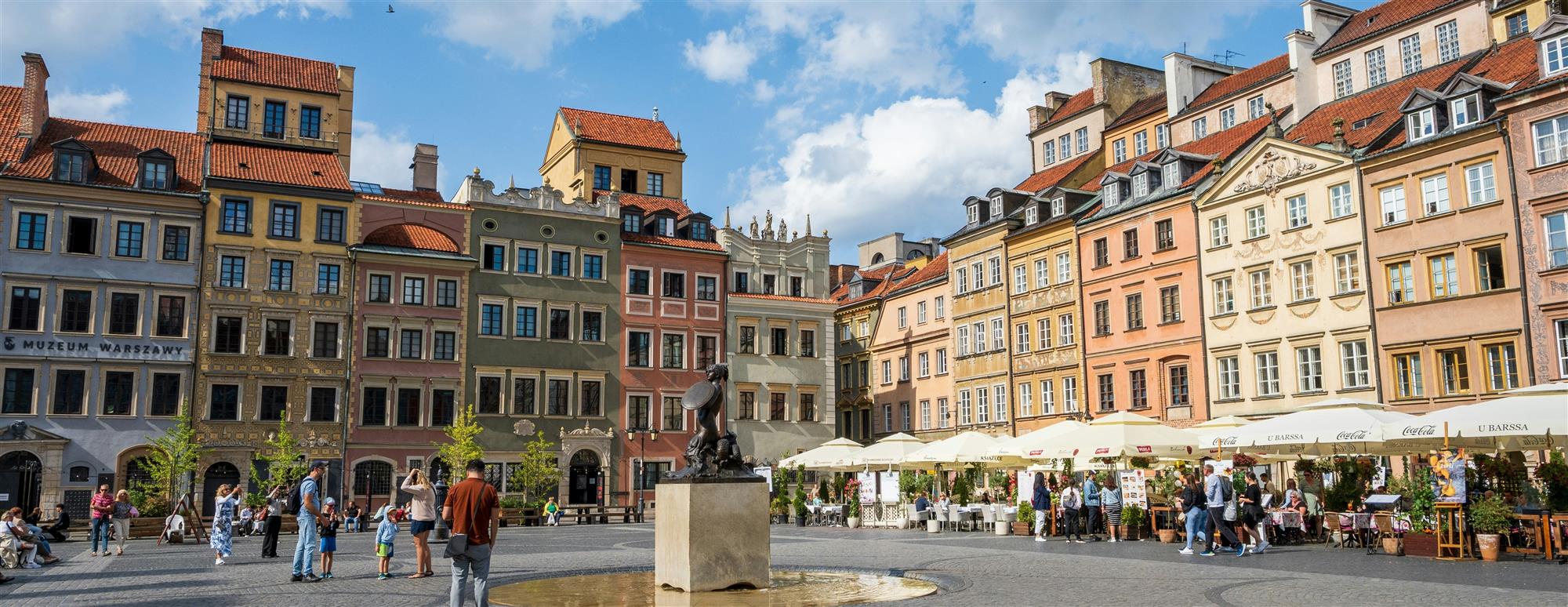
Snapshot of the Warsaw hotel market in 2026 with an exploration of tourism demand, hotel performance, hotel supply, the investment market and the market outlook.
We have written thousands of articles about all aspects of hospitality, including valuations, investing, lending, operations, asset management, and much more.
Snapshot of the Warsaw hotel market in 2026 with an exploration of tourism demand, hotel performance, hotel supply, the investment market and the market outlook.
This summer has been strong for the U.S. hotel sector, with weekly RevPAR gains averaging near 8.0% in June and early July, cooling slightly into 6.0% to 7.0% in August. Our RevPAR growth forecast reflects 4.5% for 2026 given the expectation that recent growth, partly fueled by World Cup matches and heightened vacation travel, will wane somewhat in the final months of the year.
To measure the impact of the FIFA World Cup in eleven U.S. cities, we compare occupancy rates, ADR, RevPAR, and rooms revenue during the weeks of World Cup matches to the same weeks in 2025, as adjusted for the expected change in these variables in the absence of the FIFA events. We demonstrate a wide variance in the impact in host cities and discuss the underlying factors that influence these differences.
The summer is off to a roaring start for the U.S. hotel sector, with weekly RevPAR gains averaging roughly 8.0% in June and early July. Our RevPAR growth forecast reflects 4.5% for 2026, which takes into consideration that this recent growth, partly fueled by the World Cup matches, will wane somewhat in the second half of the year.
Each year, HVS researches and compiles development costs from our database of actual hotel construction budgets. This source provides the basis for our illustrated total development costs per room and per product type.
The U.S. hotel sector continues to show strength, with weekly RevPAR gains averaging 4.0% YTD through May and exceeding 5.0% in recent weeks. Our latest RevPAR growth forecast reflects 3.0% for 2026, which may be on the conservative side if elevated travel trends continue through the summer vacation and fall convention seasons.
The U.S. hotel sector continues to show strength, with weekly RevPAR gains averaging 4.0% YTD through April and exceeding 4.0% in recent weeks. We have updated our RevPAR growth forecast for 2026 from 2.2% to 3.0%, and this may be on the conservative side if elevated travel trends continue through the summer vacation and fall convention seasons.
U.S. hotel performance is posting notable gains compared with 2025 levels, as travel continues to be a priority for many despite persistent inflation, the Middle Eastern conflict, and lackluster job growth. While luxury hotels are posting the greatest RevPAR gains, even economy and midscale hotels are showing occupancy improvement and ADR gains.
U.S. hotel performance is posting notable gains compared with 2025 levels, as travel continues to be a priority for many despite persistent inflation, the Middle Eastern conflict, and longer security lines at airports. While luxury hotels are posting the greatest RevPAR gains, even economy and midscale hotels are showing occupancy improvement (as we expected).
U.S. hotels began 2026 steadily, with flat occupancy and slightly higher ADR for January. As of February, HVS expects modest RevPAR growth in 2026 and stronger gains in 2027 and 2028. Cap rates are trending downward as more distressed assets sell, while transaction activity is slowly gaining momentum, supported by lower interest rates.
We have written thousands of articles about all aspects of hospitality, including valuations, investing, lending, operations, asset management, and much more.
Snapshot of the Warsaw hotel market in 2026 with an exploration of tourism demand, hotel performance, hotel supply, the investment market and the market outlook.
This summer has been strong for the U.S. hotel sector, with weekly RevPAR gains averaging near 8.0% in June and early July, cooling slightly into 6.0% to 7.0% in August. Our RevPAR growth forecast reflects 4.5% for 2026 given the expectation that recent growth, partly fueled by World Cup matches and heightened vacation travel, will wane somewhat in the final months of the year.
To measure the impact of the FIFA World Cup in eleven U.S. cities, we compare occupancy rates, ADR, RevPAR, and rooms revenue during the weeks of World Cup matches to the same weeks in 2025, as adjusted for the expected change in these variables in the absence of the FIFA events. We demonstrate a wide variance in the impact in host cities and discuss the underlying factors that influence these differences.
The summer is off to a roaring start for the U.S. hotel sector, with weekly RevPAR gains averaging roughly 8.0% in June and early July. Our RevPAR growth forecast reflects 4.5% for 2026, which takes into consideration that this recent growth, partly fueled by the World Cup matches, will wane somewhat in the second half of the year.
Each year, HVS researches and compiles development costs from our database of actual hotel construction budgets. This source provides the basis for our illustrated total development costs per room and per product type.
The U.S. hotel sector continues to show strength, with weekly RevPAR gains averaging 4.0% YTD through May and exceeding 5.0% in recent weeks. Our latest RevPAR growth forecast reflects 3.0% for 2026, which may be on the conservative side if elevated travel trends continue through the summer vacation and fall convention seasons.
The U.S. hotel sector continues to show strength, with weekly RevPAR gains averaging 4.0% YTD through April and exceeding 4.0% in recent weeks. We have updated our RevPAR growth forecast for 2026 from 2.2% to 3.0%, and this may be on the conservative side if elevated travel trends continue through the summer vacation and fall convention seasons.
U.S. hotel performance is posting notable gains compared with 2025 levels, as travel continues to be a priority for many despite persistent inflation, the Middle Eastern conflict, and lackluster job growth. While luxury hotels are posting the greatest RevPAR gains, even economy and midscale hotels are showing occupancy improvement and ADR gains.
U.S. hotel performance is posting notable gains compared with 2025 levels, as travel continues to be a priority for many despite persistent inflation, the Middle Eastern conflict, and longer security lines at airports. While luxury hotels are posting the greatest RevPAR gains, even economy and midscale hotels are showing occupancy improvement (as we expected).
U.S. hotels began 2026 steadily, with flat occupancy and slightly higher ADR for January. As of February, HVS expects modest RevPAR growth in 2026 and stronger gains in 2027 and 2028. Cap rates are trending downward as more distressed assets sell, while transaction activity is slowly gaining momentum, supported by lower interest rates.
Robust demand in urban centers continues to drive Canadian hotel values despite high interest rate environment.