Colorado Springs Hotel Market: Recovery, Headwinds, and Growth Potential
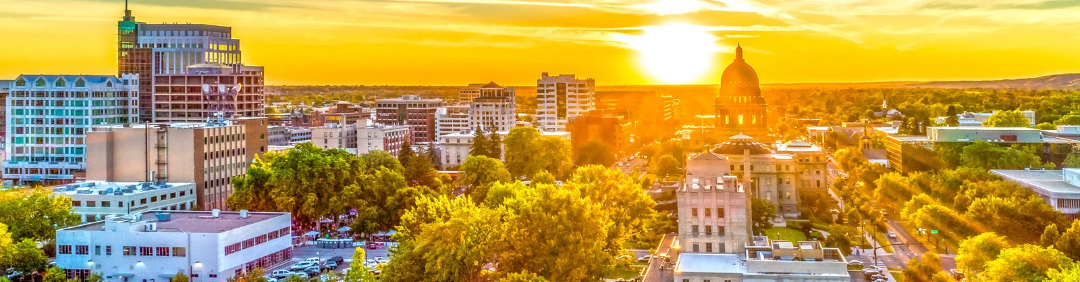
Colorado Springs has long stood as one of Colorado’s most popular drive-to leisure destinations during the peak summer months. Government entities and related contract business have also supported strong lodging dynamics. While disruptions within the government segment over the past year have resulted in uncertainty for the near term, the long-term outlook remains optimistic.
Minneapolis–St. Paul Hotel Recovery Remains Tepid
The hotel sector in Minneapolis–St. Paul continues to evolve and recover from pre- and post-pandemic oversupply and demand changes. Leisure and event-driven travel have returned with renewed energy, but not yet at the scale needed to fully offset the region’s corporate travel losses.
Three Things to Watch for Los Angeles Hospitality in 2026
Los Angeles occupancy remains below pre pandemic levels due to entertainment strikes, soft leisure demand, weak international travel, and 2025 wildfire disruptions. However, the region’s diverse economy positions it for recovery, aided by the 2026 FIFA World Cup. Entertainment production and international air travel are expected to stabilize, while ADR should grow.
Hotel Profitability in Transition: Cost Pressures and Budgeting Priorities for 2026
Recent HVS data show gross operating profit margins declining broadly, driven by increases in labor, operating standards, and shared-service allocations. With ADR growth anticipated to flatten, revenue can no longer absorb rising costs. As hotels convert less revenue into profit, owners must rely on active asset management, benchmarking, and operational realignment to protect NOI in 2026.
The Continued Rise of Upstate South Carolina’s Hospitality Sector
Greenville, a city in the heart of South Carolina’s Upstate area, strengthened coming out of the pandemic and has continued its upward trajectory since. Supported by a strong economic base, thriving tourism industry, and small-town charm, the Greenville market remains one to watch.
2025 Lodging Tax Report - USA
This fifteenth annual Lodging Tax Study presents data on city, state, and special district lodging and sales taxes imposed on lodging sales. We provide historical data on tax rates and collection and distribution of revenue from lodging taxes levied in all 50 States and the 150 largest US cities. Our analysis of 25 major U.S. hotel markets shows room revenue growth slowing through 2024 and leveling off through the first eight months of 2025, reflecting weakening travel demand across key markets.
2025/26 Federal Per-Diem Update: Steady Rates Ahead
The per-diem lodging rates set the maximum amount a federal traveler can reimburse and are based on the average rates for mid-priced hotels. For the overall continental United States, the recently published per-diem rates for the 2026 fiscal year have remained stable when compared to the 2025 rates.
More Than Music: Group Demand Hits a High Note in Nashville
Nashville has grown into a major domestic travel destination, supported by a strong tourism industry, robust commercial and industrial growth, and significant meeting and group demand. As tourism growth has normalized and corporate travel is expected to remain below pre-pandemic levels, meeting and group demand growth will be needed to support the continuously expanding hotel supply.
Navigating the Longer Road Back: The Recovery of Manhattan’s Hotel Market
The Manhattan market has been experiencing a prolonged post-pandemic occupancy recovery, despite strong ADR gains. Although legislative and supply changes should bolster this recovery, recent geopolitical factors and the tariffs and policy changes enacted by the new federal administration are expected to affect short-term hotel market trends. Our current demand forecast shows a full recovery beyond 2019 levels by 2027/28.
State of the District: A Look at the Washington, D.C., Lodging Market
Decisions at the federal level, such as import tariffs, are affecting global markets, and cuts initiated by the Department of Government Efficiency (DOGE) are having impacts across the nation. These policies are also significantly affecting hotels in Washington, D.C., the market located at the heart of the federal government.