In the wake of the pandemic, Myrtle Beach has experienced a K-shaped hotel recovery. The broader market has softened from post-pandemic peaks, with lower supply, demand, and revenue, while branded, upper-midscale and above hotels have expanded and outperformed pre-2019 levels. That divergence has drawn new investment, rebranding, and redevelopment in the market’s higher-end segment, signaling sustained confidence.
Industry Insights
We have written thousands of articles about all aspects of hospitality, including valuations, investing, lending, operations, asset management, and much more.
The K-Shaped Recovery of Myrtle Beach’s Hotel Market
In the wake of the pandemic, Myrtle Beach has experienced a K-shaped hotel recovery. The broader market has softened from post-pandemic peaks, with lower supply, demand, and revenue, while branded, upper-midscale and above hotels have expanded and outperformed pre-2019 levels. That divergence has drawn new investment, rebranding, and redevelopment in the market’s higher-end segment, signaling sustained confidence.
The Growth Driving Hospitality Strength in Raleigh
Raleigh’s hotel market outlook remains strong, supported by its role as North Carolina’s capital and its education, healthcare, and manufacturing sectors. Demand, ADR, and RevPAR continue to rise despite new supply additions, with demand growth outpacing new supply. Major convention, mixed-use, and healthcare developments are expected to further strengthen hotel demand.
Call of the Mountains: Hotel Investment in the Blue Ridge Mountains
In the past year, a surge of hotel consulting work in the Blue Ridge Mountains of southwestern North Carolina and northwestern Georgia has called attention to this market’s growth. The concentration of investment and development in this region indicates an opportunity hotspot, as the hotel supply is adapted to the increasing demand from travelers seeking high-quality properties.
The Continued Rise of Upstate South Carolina’s Hospitality Sector
Greenville, a city in the heart of South Carolina’s Upstate area, strengthened coming out of the pandemic and has continued its upward trajectory since. Supported by a strong economic base, thriving tourism industry, and small-town charm, the Greenville market remains one to watch.
Key Hotel Investment Trends and Opportunities in the Carolinas and Georgia
Major cities in the Southeast like Charleston, Atlanta, Savannah, and Raleigh-Durham remain strong hotel investment markets due to their thriving tourism, growing business hubs, and strategic locations. Enhanced financing options are expected to boost transaction volumes. Significant construction pipelines and improving economic conditions highlight the region's long-term resilience and investment appeal.
Sports and Conventions Support Hotel Industry in Cincinnati, OH
The Cincinnati lodging market is gearing up for an influx in demand fueled by the renovation of the Duke Energy Convention Center. Moreover, recent success and changes in the city’s diverse sports scene are drawing visitors from near and far.
Understanding the Current State of the Hotel Transaction Market
The hotel transaction market continues to face significant headwinds. Nonetheless, there are still many good deals to be had, and with some patience and strategy, long-term returns may match or even exceed an investor’s expectations. This article examines and compares current transaction data to historical activity.
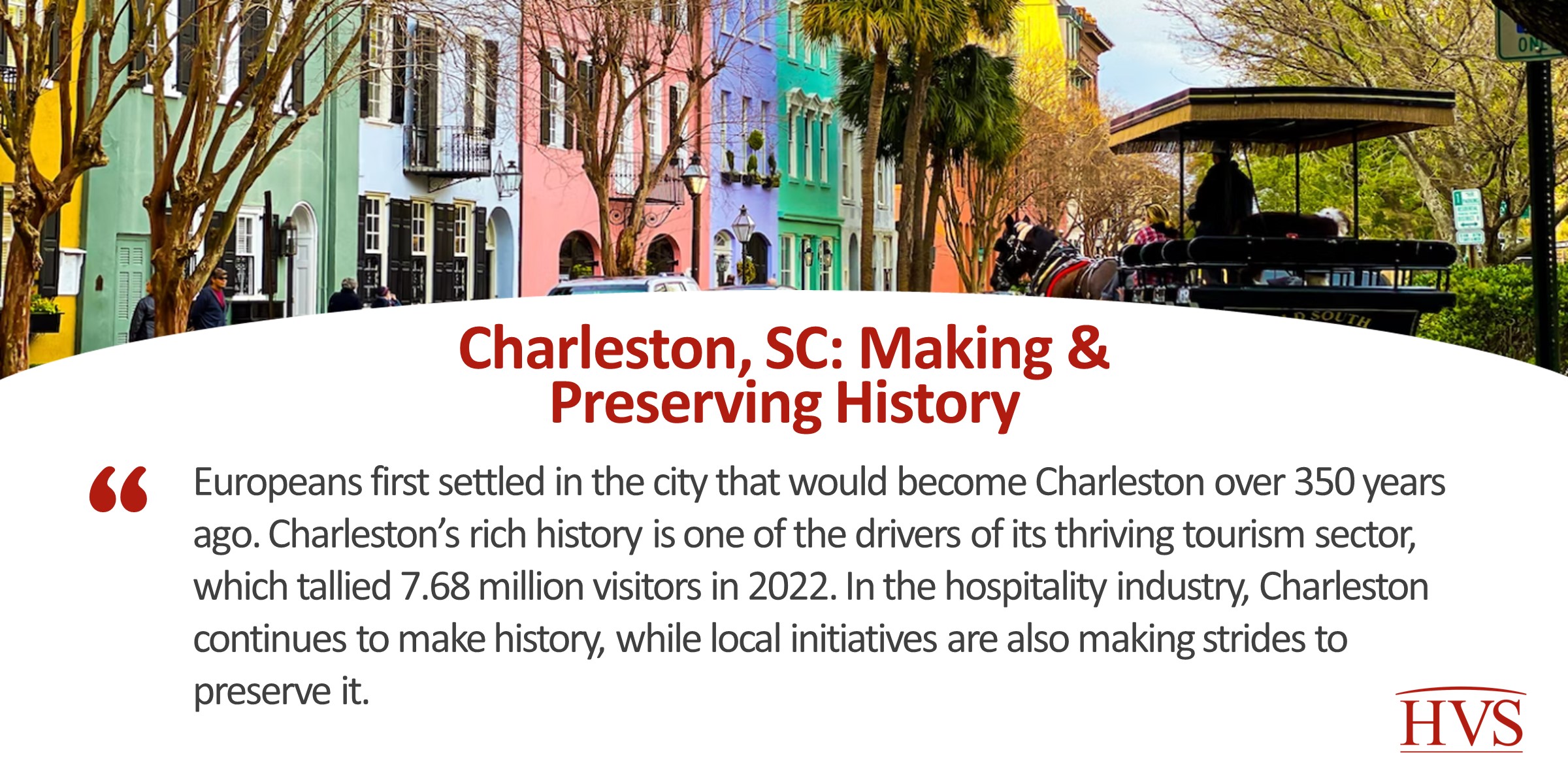
Charleston, SC: Making & Preserving History
Europeans first settled in the city that would become Charleston over 350 years ago. Charleston’s rich history is one of the drivers of its thriving tourism sector, which tallied 7.68 million visitors in 2022. In the hospitality industry, Charleston continues to make history, while local initiatives are also making strides to preserve it.
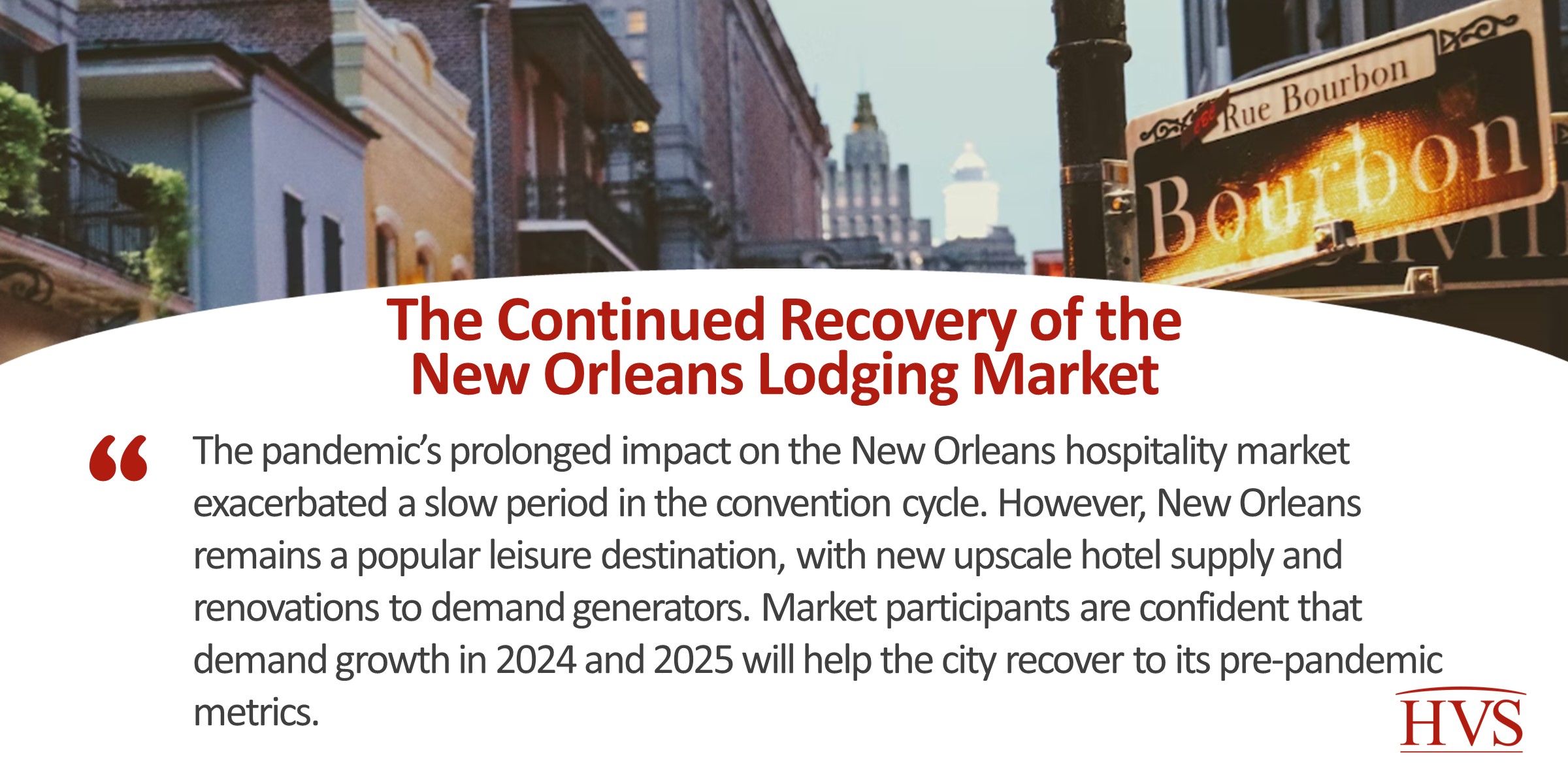
The Continued Recovery of the New Orleans Lodging Market
The pandemic’s prolonged impact on the New Orleans hospitality market exacerbated a slow period in the convention cycle. However, New Orleans remains a popular leisure destination, with new upscale hotel supply and renovations to demand generators. Market participants are confident that demand growth in 2024 and 2025 will help the city recover to its pre-pandemic metrics.
Connecticut’s Post-COVID Climb
While the onset of COVID-19 had devastating effects for the Connecticut tourism industry, a recovery quickly began. By 2022, occupancy levels were only slightly below those of 2019, and ADR levels far surpassed those of 2019. The upcoming renovation of the XL Center in Hartford and the state’s “Find Your Vibe” campaign are key indicators of Connecticut’s recovery and success.
Industry Insights
We have written thousands of articles about all aspects of hospitality, including valuations, investing, lending, operations, asset management, and much more.
Raleigh’s hotel market outlook remains strong, supported by its role as North Carolina’s capital and its education, healthcare, and manufacturing sectors. Demand, ADR, and RevPAR continue to rise despite new supply additions, with demand growth outpacing new supply. Major convention, mixed-use, and healthcare developments are expected to further strengthen hotel demand.
In the past year, a surge of hotel consulting work in the Blue Ridge Mountains of southwestern North Carolina and northwestern Georgia has called attention to this market’s growth. The concentration of investment and development in this region indicates an opportunity hotspot, as the hotel supply is adapted to the increasing demand from travelers seeking high-quality properties.
Greenville, a city in the heart of South Carolina’s Upstate area, strengthened coming out of the pandemic and has continued its upward trajectory since. Supported by a strong economic base, thriving tourism industry, and small-town charm, the Greenville market remains one to watch.
Major cities in the Southeast like Charleston, Atlanta, Savannah, and Raleigh-Durham remain strong hotel investment markets due to their thriving tourism, growing business hubs, and strategic locations. Enhanced financing options are expected to boost transaction volumes. Significant construction pipelines and improving economic conditions highlight the region's long-term resilience and investment appeal.
The Cincinnati lodging market is gearing up for an influx in demand fueled by the renovation of the Duke Energy Convention Center. Moreover, recent success and changes in the city’s diverse sports scene are drawing visitors from near and far.
The hotel transaction market continues to face significant headwinds. Nonetheless, there are still many good deals to be had, and with some patience and strategy, long-term returns may match or even exceed an investor’s expectations. This article examines and compares current transaction data to historical activity.
Europeans first settled in the city that would become Charleston over 350 years ago. Charleston’s rich history is one of the drivers of its thriving tourism sector, which tallied 7.68 million visitors in 2022. In the hospitality industry, Charleston continues to make history, while local initiatives are also making strides to preserve it.
The pandemic’s prolonged impact on the New Orleans hospitality market exacerbated a slow period in the convention cycle. However, New Orleans remains a popular leisure destination, with new upscale hotel supply and renovations to demand generators. Market participants are confident that demand growth in 2024 and 2025 will help the city recover to its pre-pandemic metrics.
While the onset of COVID-19 had devastating effects for the Connecticut tourism industry, a recovery quickly began. By 2022, occupancy levels were only slightly below those of 2019, and ADR levels far surpassed those of 2019. The upcoming renovation of the XL Center in Hartford and the state’s “Find Your Vibe” campaign are key indicators of Connecticut’s recovery and success.
Robust demand in urban centers continues to drive Canadian hotel values despite high interest rate environment.