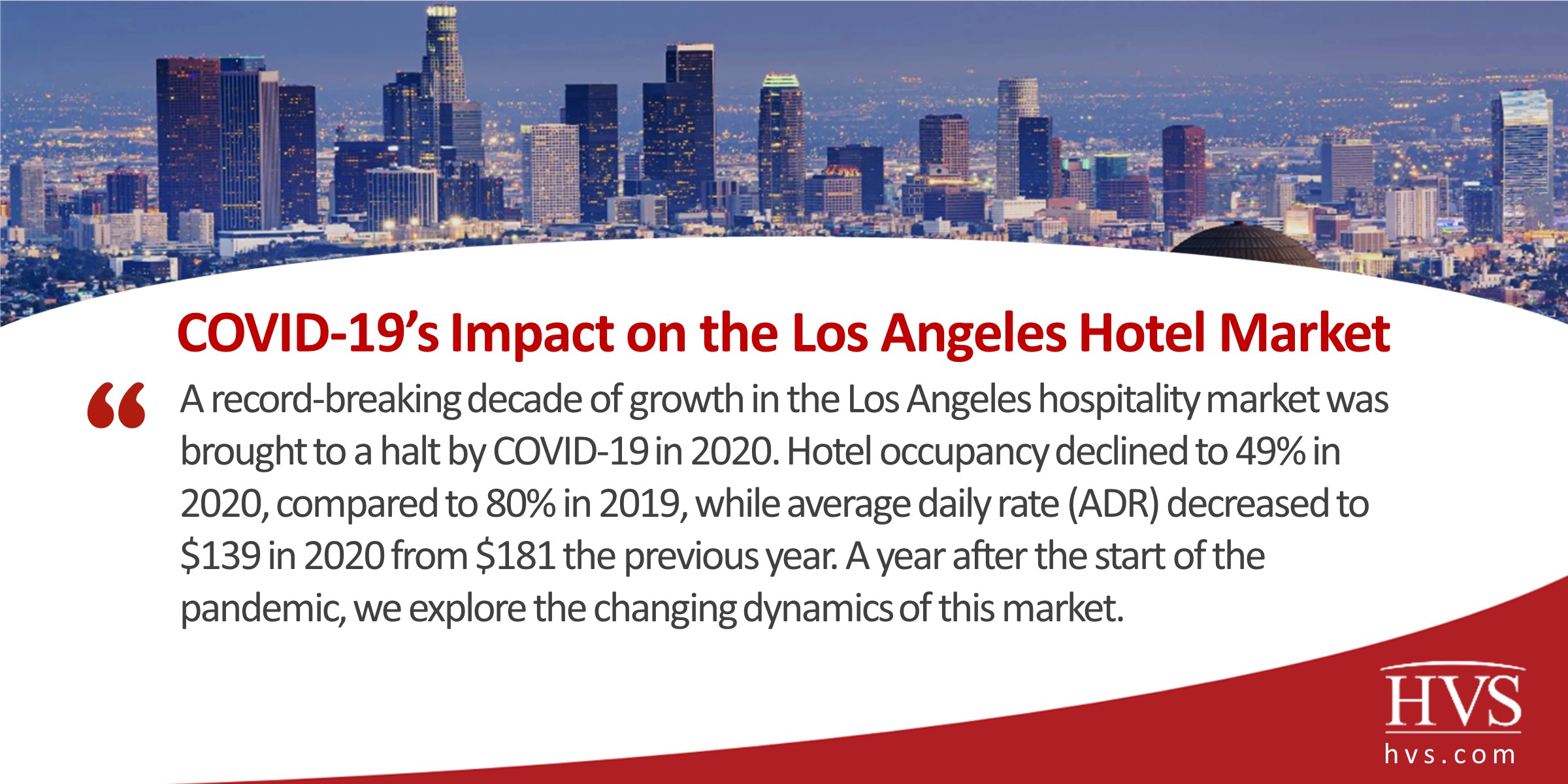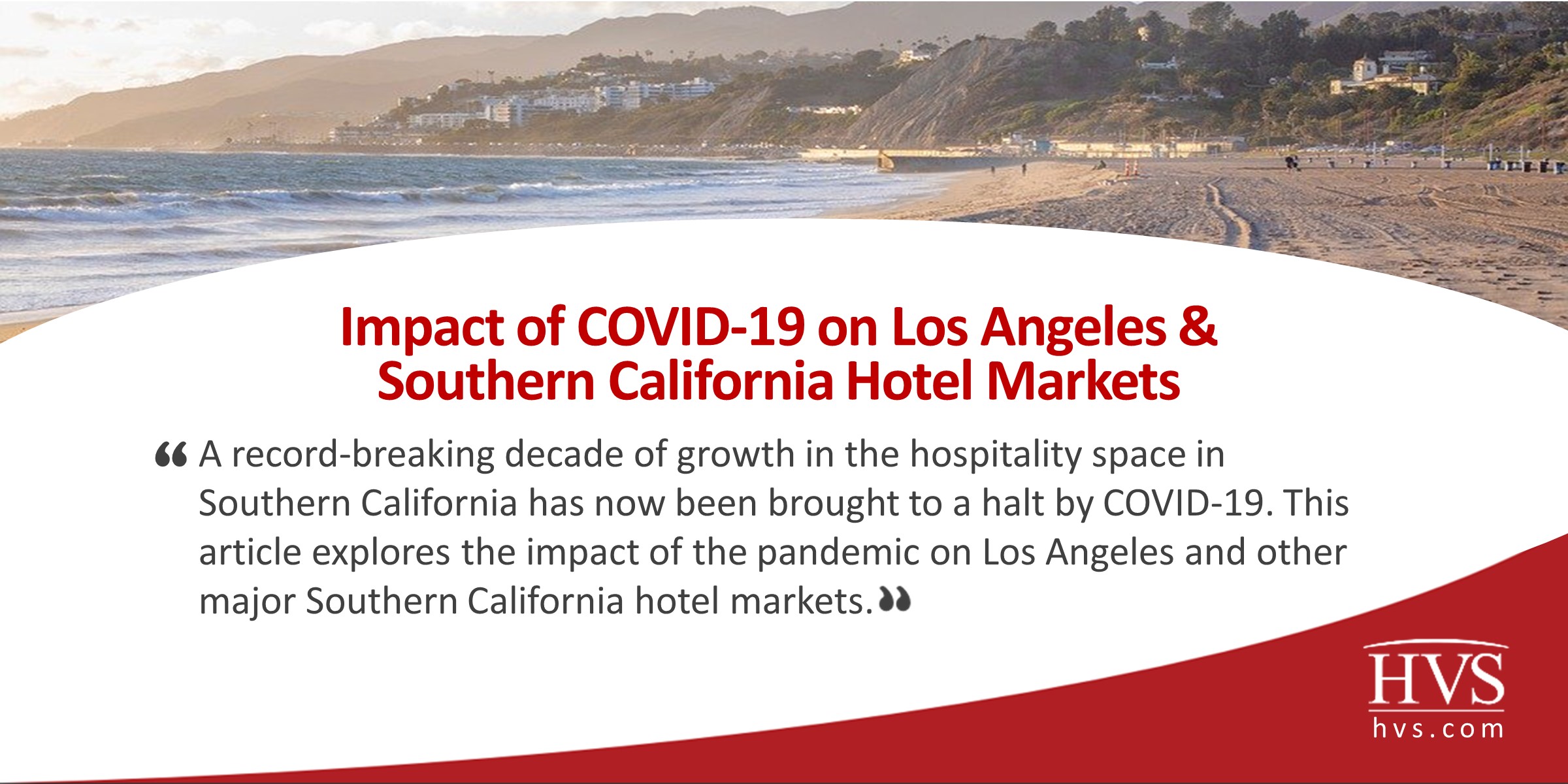
A record-breaking decade of growth in the hospitality space in Southern California has now been brought to a halt by COVID-19. This article explores the impact of the pandemic on Los Angeles and other major Southern California hotel markets.
We have written thousands of articles about all aspects of hospitality, including valuations, investing, lending, operations, asset management, and much more.
A record-breaking decade of growth in the hospitality space in Southern California has now been brought to a halt by COVID-19. This article explores the impact of the pandemic on Los Angeles and other major Southern California hotel markets.
With the Coronavirus scare gaining momentum, this article revisits the 2003 SARS pandemic, seeking insight into the potential impact on individual markets and travel as a whole.
Traditional hotel development in ski resort towns has slowed nearly to a halt, with barriers like limited land and high costs putting pressure on new builds. But hotel demand and performance are on the rise and the “barriers” may not be so imposing.
In this article, we study a resort with a residential ownership component as a means of considering some of the key factors affecting this increasingly common property feature.
Asheville’s hotel industry thrives on tourism, though other demand segments have been making headway. A rise in occupancy and average rate over the past several years is expected to continue, driving hotel development in the city’s downtown.
Vicki Richman attended Disney Institute. We have incorporated much of what she learned into our company. Every year we improve our company’s culture and that of our hotels. If the Walt Disney Company is any benchmark, it's clearly worth doing.
Occupancy swung above 75% for Seattle’s hotel industry in 2014, a reflection of the city’s blossoming economy. High demand has also supported strong average rates and rising hotel values.
Denver’s growth this year reflects what many hotel developers and owners have been witnessing—as a market for jobs, business, and development, Denver continues to outperform.
Institutions ranging from Olympic centers to major military bases underpin the economy of Colorado Springs. Tourism brings additional demand to area hotels, which have noted improvements in transactions and performance over the past year.
Colorado’s ski resorts draw millions of annual visitors. The lodging industry throughout the Colorado mountains comprises hotels and privately rented rooms and condos. How could a shift in this balance affect hotel performance in the years ahead?
We have written thousands of articles about all aspects of hospitality, including valuations, investing, lending, operations, asset management, and much more.
A record-breaking decade of growth in the hospitality space in Southern California has now been brought to a halt by COVID-19. This article explores the impact of the pandemic on Los Angeles and other major Southern California hotel markets.
With the Coronavirus scare gaining momentum, this article revisits the 2003 SARS pandemic, seeking insight into the potential impact on individual markets and travel as a whole.
Traditional hotel development in ski resort towns has slowed nearly to a halt, with barriers like limited land and high costs putting pressure on new builds. But hotel demand and performance are on the rise and the “barriers” may not be so imposing.
In this article, we study a resort with a residential ownership component as a means of considering some of the key factors affecting this increasingly common property feature.
Asheville’s hotel industry thrives on tourism, though other demand segments have been making headway. A rise in occupancy and average rate over the past several years is expected to continue, driving hotel development in the city’s downtown.
Vicki Richman attended Disney Institute. We have incorporated much of what she learned into our company. Every year we improve our company’s culture and that of our hotels. If the Walt Disney Company is any benchmark, it's clearly worth doing.
Occupancy swung above 75% for Seattle’s hotel industry in 2014, a reflection of the city’s blossoming economy. High demand has also supported strong average rates and rising hotel values.
Denver’s growth this year reflects what many hotel developers and owners have been witnessing—as a market for jobs, business, and development, Denver continues to outperform.
Institutions ranging from Olympic centers to major military bases underpin the economy of Colorado Springs. Tourism brings additional demand to area hotels, which have noted improvements in transactions and performance over the past year.
Colorado’s ski resorts draw millions of annual visitors. The lodging industry throughout the Colorado mountains comprises hotels and privately rented rooms and condos. How could a shift in this balance affect hotel performance in the years ahead?
Robust demand in urban centers continues to drive Canadian hotel values despite high interest rate environment.