
Introduction
Luxury hospitality has evolved from a traditional accommodation-led model into an integrated experiential ecosystem, where Food and Beverage plays an increasingly central role in shaping guest experience and competitiveness. Hotel restaurants are progressively embedded within broader lifestyle environments, extending beyond their historical function as supporting amenities. Italy, epitome of lifestyle and gastronomy, is no exception.This shift reflects broader changes in how luxury is conceived and consumed globally, increasingly focused on access to curated and personalised experiences rather than ownership of goods. High-end travellers, particularly from the United States, the United Kingdom and the Middle East, are selecting properties less on room quality or location alone and more on the overall offering, with gastronomy playing an increasingly decisive role in destination choice. In response, operators are investing in signature dining concepts, chef-led partnerships and collaborations with fashion and lifestyle brands as primary tools of differentiation.
Food and Beverage as Driver of Revenue and Asset Value
The financial contribution of Food and Beverage varies significantly across hotel segments, reflecting its growing role as a core revenue and value driver in luxury hospitality. As a rule of thumb, midscale hotels typically generate 8-10% of total revenue from F&B, while luxury properties often achieve 25-40%. While well-run luxury hotels typically achieve F&B revenue POR between €400 and €500, top performers can exceed €700.Hotel Villa d'Este on Lake Como, for example, illustrates the upper end of this range. The group's most recent published financial statements show record revenues of €115.3 million in 2025 across its portfolio of hotels and residences. At the flagship Villa d'Este, food and beverage accounts for approximately 30% of total revenue, equivalent to roughly €830 per occupied room. This performance is largely driven by the property's renowned reputation and its capacity to attract high-value events, served by twelve dedicated indoor meeting and banquet rooms for weddings and corporate clients, alongside six restaurants and bars spanning distinct concepts.
Assessing F&B revenue within hotel complexes requires careful interpretation. Individual restaurant revenues are often reported through dedicated operating entities, while the broader F&B cost centre encompasses banqueting, room service and bar operations. These distinctions matter when benchmarking performance across assets.
Beyond direct revenue, high-profile dining concepts, particularly Michelin-recognised or branded operations, can strengthen market positioning and pricing power of the hotel itself. A credible culinary identity often enhances brand perception, supports rate premiums and improves competitive standing in an increasingly crowded luxury segment.
In leading urban and resort assets, restaurants are also increasingly positioned as standalone demand generators, attracting not only in-house guests but also residents and international visitors from outside the hotel. This allows hotels to build standalone revenue streams and broaden their customer base beyond room occupancy. Properties with distinctive culinary programmes tend to outperform on key metrics, particularly Average Daily Rate and total revenue per available room. In many cases, a restaurant's direct financial contribution matters less than its impact on brand perception and pricing power.
Italy benefits from a globally recognised culinary heritage and a strong alignment between gastronomy, fashion, design and luxury culture. In this context, leading F&B operators are increasingly monetising these strengths through chef-led concepts, Michelin-starred restaurants, international brands and collaborations with fashion houses.
At market level, this shift is reinforced by the continued expansion of Italy’s luxury hospitality supply. According to the Luxury Hospitality Report 2025 by Thrends, the country has more than 760 high-end hotels, a figure expected to reach 900 by 2029, representing an 18% increase compared to 2025. For context, only 170 luxury hotels were recorded in 1996. Although the segment represents approximately 4.4% of total rooms available in Italy (ISTAT, 2024), it generates around 25% of total sector expenditure.
It is not a coincidence that Relais & Châteaux, a luxury hospitality association with more than 580 properties worldwide, has built its positioning around distinctive settings, exclusive accommodation and curated F&B experiences. As of May 2025, the network included more than 210 Michelin-starred restaurants, with a combined total of 388 Michelin stars. Many of these establishments are located within hotels or in close connection with high-end lodging. Notably, Relais & Châteaux includes 24% of all three-Michelin-starred restaurants worldwide.
F&B-Led Value Creation Models in Italian Luxury Hospitality
The following case studies illustrate how culinary positioning contributes to value creation across different operating models within Italian luxury hospitality and represent the pinnacle of economic performance in the Italian market in recent years.The selection is not exhaustive but curated to span the full spectrum of models observed in the market: from urban hotels anchored by a flagship restaurant to chef-led platforms and hotel-restaurant hybrids, through to territorially rooted resorts and integrated destination ecosystems.
Rome Cavalieri, A Waldorf Astoria Hotel, Rome, Lazio
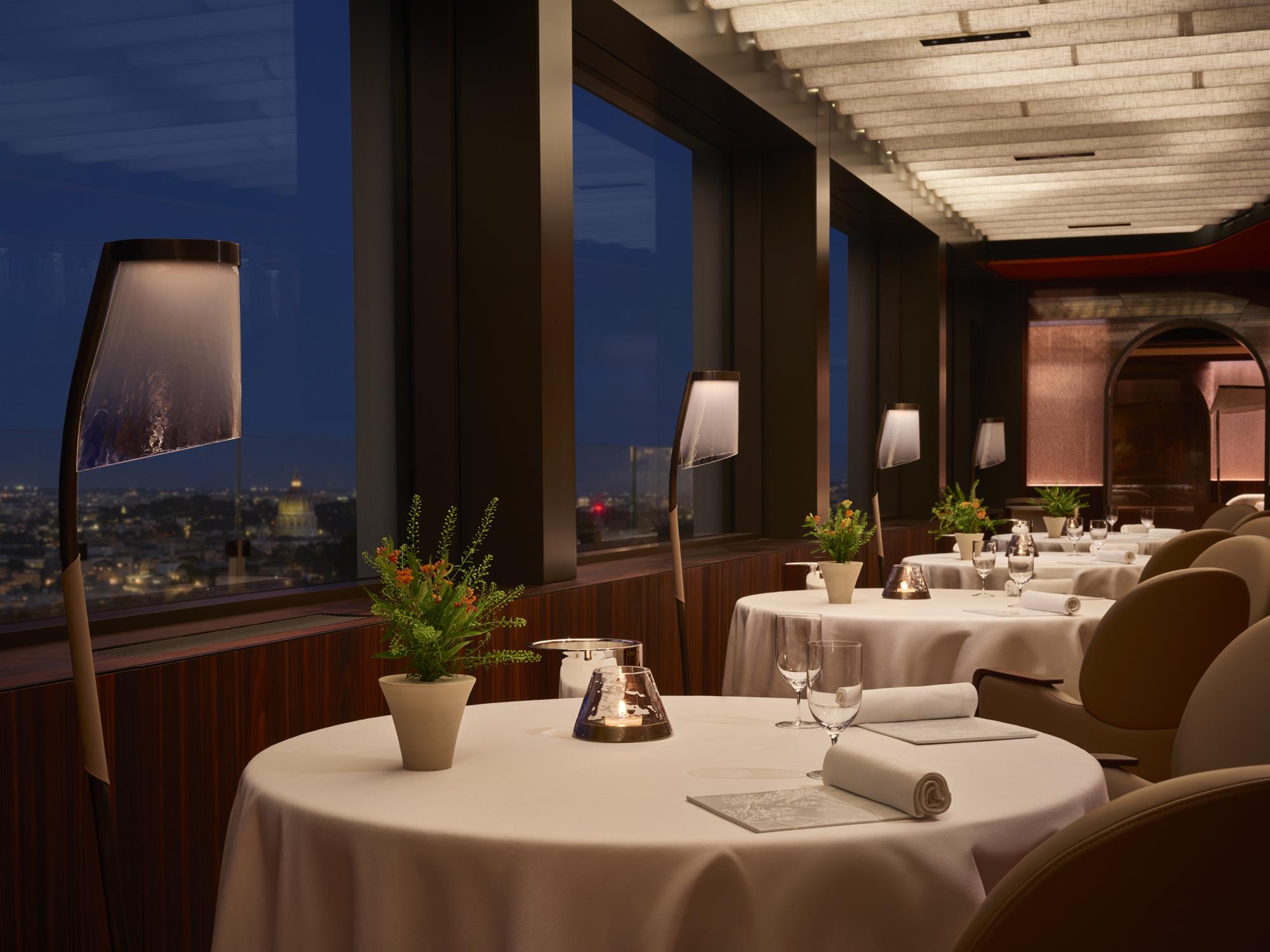
Rome Cavalieri is a 370-key five-star luxury hotel set on a hilltop in the Balduina neighborhood, with panoramic views over the city and 15 acres of Mediterranean parkland. The property houses one of Italy’s finest private art collections and is home to La Pergola, Rome’s only three-Michelin-starred restaurant.Led by Heinz Beck, La Pergola is one of Italy’s most established fine dining destinations, having maintained its positioning for more than two decades. Beyond its operational role, it serves as a core positioning asset within the hotel’s wider F&B ecosystem. Its value is mainly driven by external market validation, including sustained Michelin recognition, strong demand from non-resident diners, and consistent visibility in leading dining guides and international media.
Within the asset, La Pergola reinforces Rome Cavalieri’s identity and enhances the perceived quality of the broader offer, including accommodation and other F&B outlets. Its impact is therefore indirect but material, supporting pricing power, demand generation and differentiation within the luxury segment rather than relying solely on standalone revenue contribution.
According to publicly disclosed financial statements, Rome Cavalieri reported total revenue of approximately €68 million in 2024, with F&B accounting for around 37% of the total revenue. This represented a decrease of approximately 4.6% compared with 2023, mainly due to the temporary closure of La Pergola for renovations.
La Pergola
Source: Antonio Saba
Da Vittorio, Cerea Family, Brusaporto, Bergamo, Lombardy
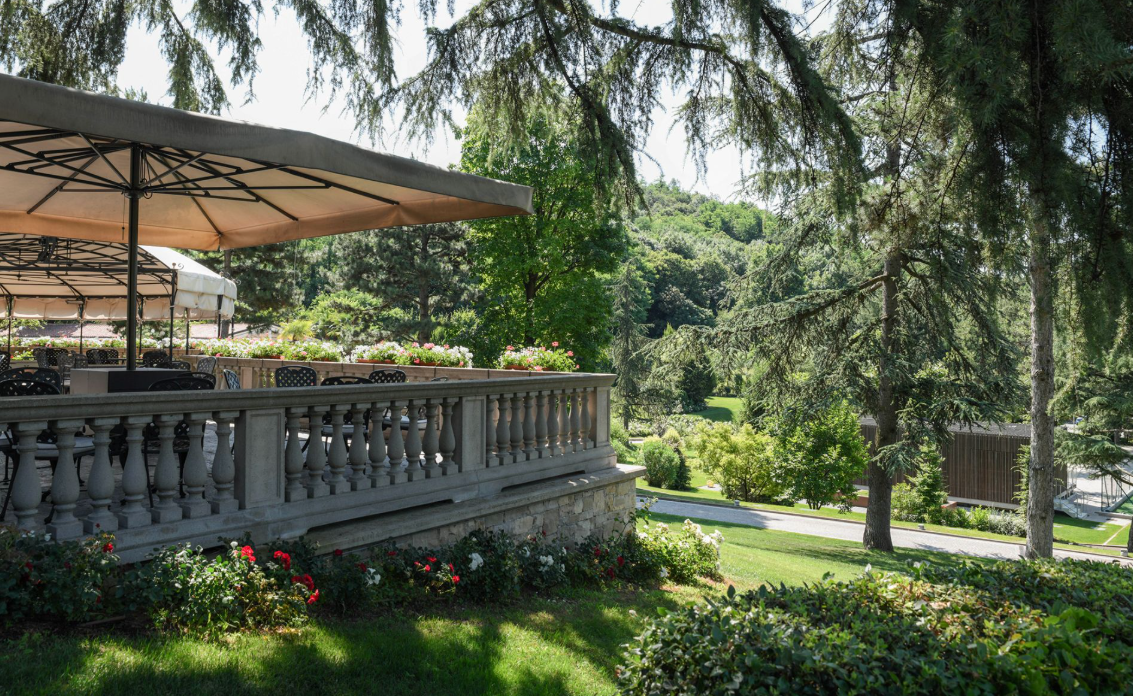
The Cerea family has grown Da Vittorio from a single three-Michelin-star restaurant and its accompanying Relais & Châteaux property in Brusaporto into a broader platform spanning multiple formats, occasions, and price points. The Brusaporto estate combines the flagship restaurant with La Dimora, a ten-key boutique hotel operated under the Relais & Châteaux affiliation, set within a ten-hectare property. According to the latest public financial disclosure, the Cerea group surpassed €95 million in revenue in 2024, with Da Vittorio S.r.l. alone exceeding €50 million, placing it among the leading Italian fine dining groups.Its value creation lies in extending Da Vittorio's identity beyond its flagship restaurant and hospitality concept into a diversified ecosystem, ranging from fine dining restaurants, more casual formats, pastry and retail concepts in Bergamo, and catering services for high-profile events, to international expansion bringing the Da Vittorio name to Shanghai and to the Carlton Hotel in St. Moritz. A further dimension of this strategy involves collaborations with luxury brands, such as the Da Vittorio Café within the Louis Vuitton flagship in Milan, which embeds the brand within high-end retail environments. In March 2026, the Ruffini family, controlling shareholder of Moncler and already a 40% investor in the Langosteria group since 2018, acquired a 40% stake in Da Vittorio, with the Cerea family retaining majority control.
In this case, the key driver is not expansion in outlet count, but the consistent transfer of brand equity across formats. Da Vittorio monetises a strong culinary reputation across geographies and use cases while preserving identity, reducing reliance on a single asset and expanding its addressable market.
Da Vittorio Brusaporto
Source: Permission granted by Da Vittorio Official Website
Villa Crespi, Cannavacciuolo Group, Lake Orta, Piedmont
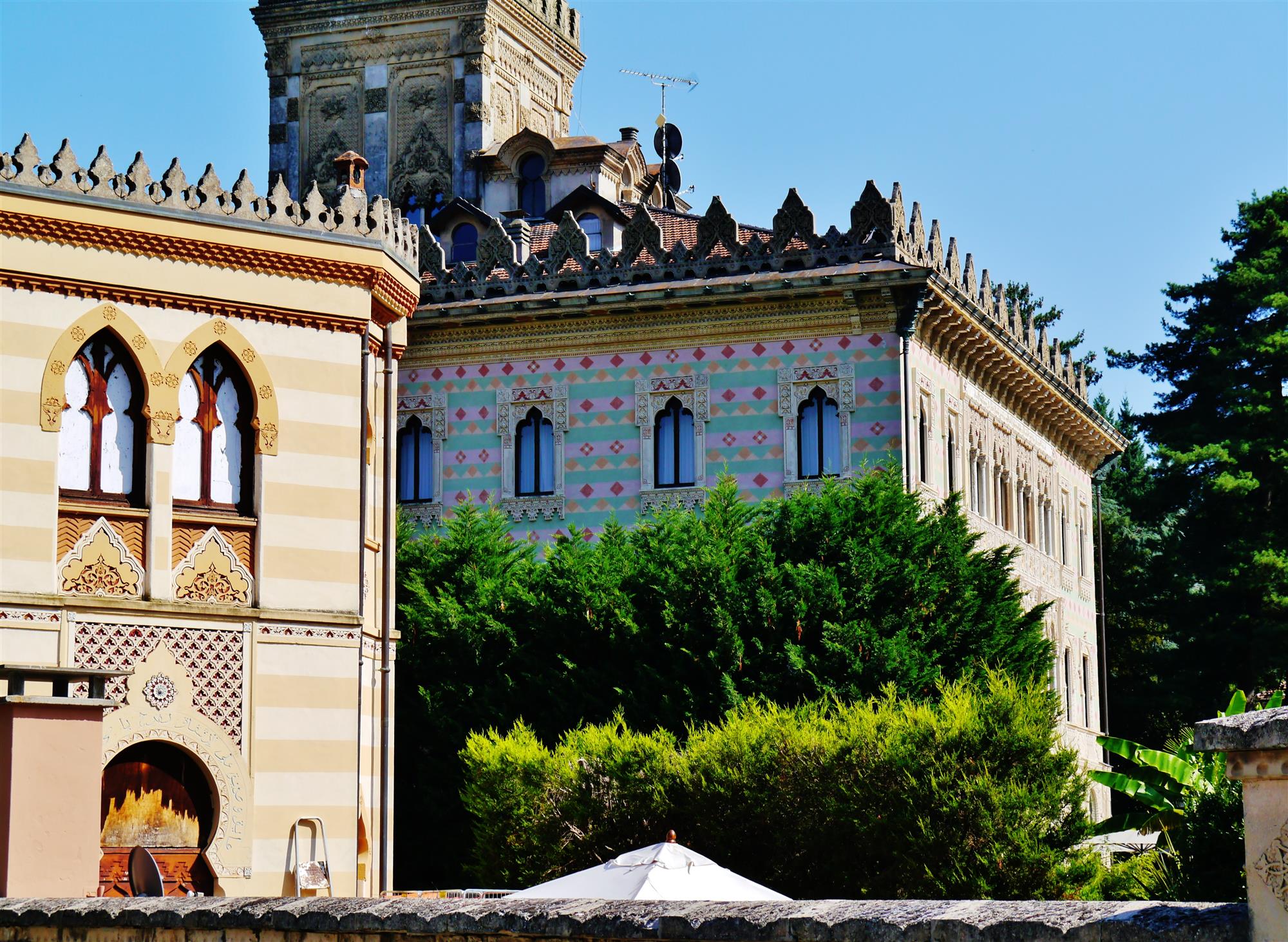
Villa Crespi is a five-star hotel on the shores of Lake Orta in Piedmont, set within a 19th-century Moorish-inspired villa built by a cotton merchant after his travels to the Middle East. Its three-Michelin-starred restaurant, led by chef Antonino Cannavacciuolo, is the property’s defining feature and primary demand driver, with 14 rooms and suites designed to complement the dining experience.Beyond the flagship in Orta San Giulio, the Cannavacciuolo Group operates the Laqua Collection, a portfolio of boutique properties with 53 rooms in total across Piedmont, Tuscany and Campania. The collection includes lakeside retreats in Pettenasco, a vineyard estate in Casanova di Terricciola, and coastal and countryside properties in Campania, several of which hold one Michelin star. Selective bistrot formats further extend the brand into secondary urban markets, most notably through the one-starred Cannavacciuolo Bistrot in Turin, supported by retail and catering activities that strengthen the group’s presence.
Based on publicly disclosed information, Villa Crespi and the Laqua Collection generated more than €16 million in revenue in 2024, while the broader Cannavacciuolo Group recorded approximately €24 million across its operating companies.
The Cannavacciuolo Group expansion reflects a more recent model of culinary brand extension, translating a strong fine dining identity into a broader portfolio of hospitality and experiences, from three-starred destination dining to vineyard retreats, lakeside hospitality and urban bistronomy. Villa Crespi remains the foundation of the group’s positioning and demand generation.
Villa Crespi
Source: Wikimedia Commons
Portrait Milano, Lungarno Collection, Milan, Lombardy
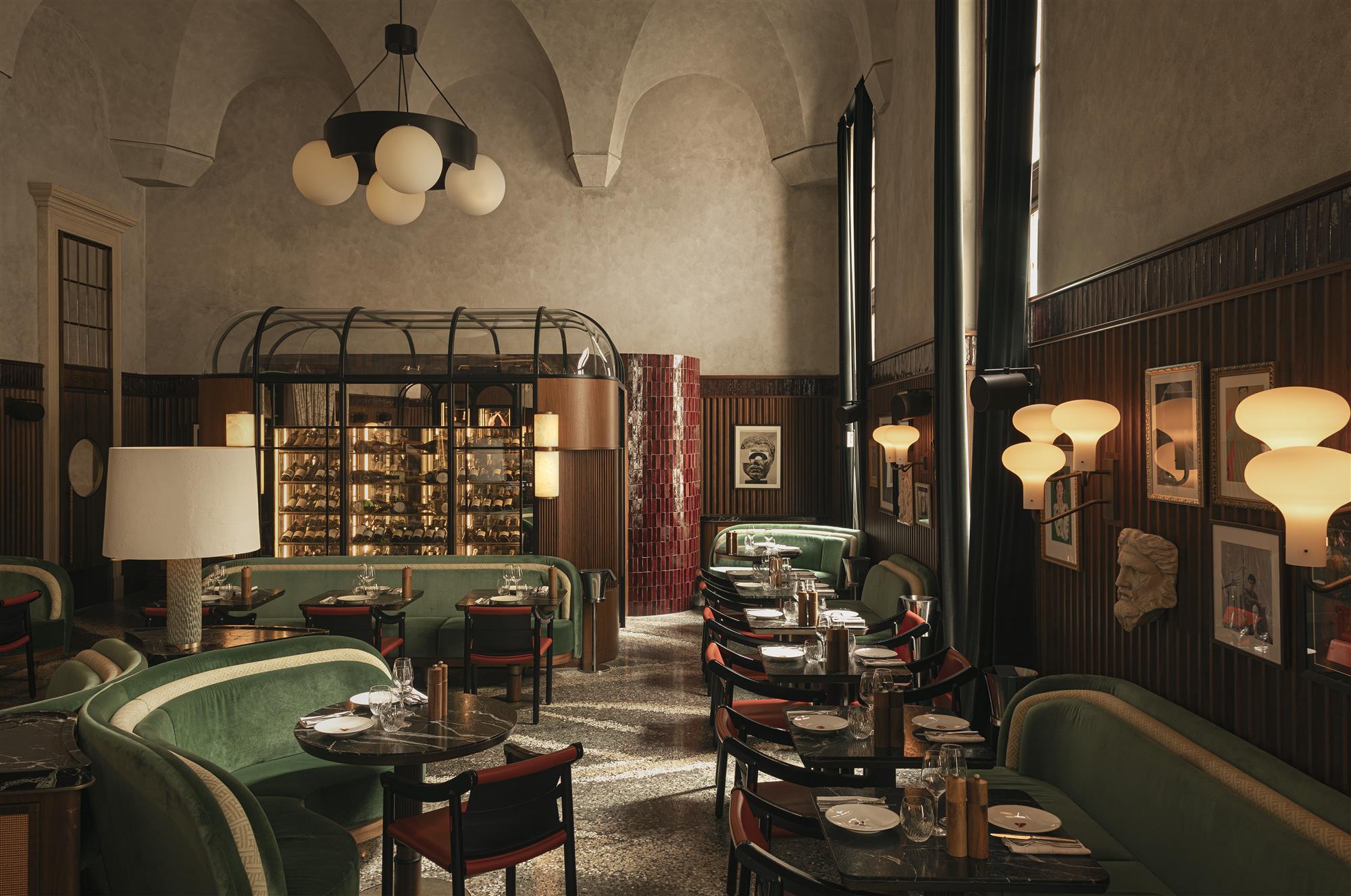
Opened in 2022, Portrait Milano is positioned as an integrated urban hospitality asset within Milan’s luxury landscape. The property offers 73 rooms and brings together hospitality, gastronomy, wellness and retail in a single mixed-use environment, with F&B venues designed as public-facing destinations for residents, outside visitors and in-house guests.Lungarno Collection placed F&B as a central part of the asset strategy from the outset, developing a portfolio of distinct dining concepts designed to attract both hotel guests and a broader external clientele. The venues include Beefbar, the internationally established meat-focused concept with locations across Europe, the Middle East and Asia; Rumore, an American-style bar centred on cocktails, champagne and live music; and 10_11, the signature outlet serving as an all-day dining set around an internal square and hidden garden.
According to the latest publicly filed financial statements, Portrait Milano generated more than €46 million in revenue in 2025, representing year-on-year growth of approximately 20%. HVS’s educated estimate indicates F&B revenues of the hotel to account for around €14 million in 2025. That is also supported by an interview1 with Valeriano Antonioli , CEO of Lungarno Collection, stating that Food and Beverage accounted for around 30% of total revenue during the hotel’s first year of operation. Beefbar and Rumore Cocktail Bar, while integral to the wider Portrait Seminario destination, are operated by the Giraudi Group and are therefore excluded from Portrait Milano’s reported figures. Based on publicly disclosed financial statements, these two concepts generated almost €9 million in revenue in 2024. Overall, the total F&B revenues associated with Portrait Seminario extended outlets would account for more than €23 million a year, i.e. an astonishing daily average of more than €60,000.
Antonioli, further highlights “F&B facilities in luxury hotels are the connective tissue between international guests and the local community — and as such, they demand careful study and strategic planning. The goal is a genuine win-win: offering international visitors an authentic immersion into local culture, while giving residents an aspirational destination they return to again and again, drawn by its cosmopolitan energy and the quiet thrill of a truly global crowd. At Portrait Milano, this vision finds its most natural expression in the outlets animating its Piazza, brought further to life by a rich calendar of events throughout the year.”
Beefbar Milano
Source: Portrait Milano Courtesy
Borgo Egnazia, Egnazia Ospitalità Italiana, Savelletri di Fasano, Puglia
Borgo Egnazia is one of the most distinctive hospitality projects in Italy: a contemporary interpretation of Puglia, built around local architecture, rituals, food culture, wellbeing and a deep relationship with the surrounding territory. Since its opening, Borgo Egnazia has contributed to positioning Puglia on the international hospitality map, while preserving a strong sense of place. Its visibility further increased in 2024, when it hosted the G7 Summit, confirming its ability to welcome highly complex international events without losing the intimacy and identity of its original vision.Food & Beverage is a central part of this positioning. At Borgo Egnazia, gastronomy is not treated as an accessory to the stay, but as one of the most direct ways through which the property expresses its connection with Puglia. The offer ranges from informal and convivial dining formats to Due Camini, the Michelin-starred restaurant led by Chef Domingo Schingaro, and is consistently shaped by seasonality, local sourcing, regional traditions and contemporary research. This approach is also reflected in the property’s economic performance. In 2024, Borgo Egnazia generated approximately €17 million in Food & Beverage revenue, equal to around 23% of total property revenue, which stood at approximately €73.2 million.
Forte Village Resort, Sardinia
Set on 50 hectares along Sardinia’s southern coast, Forte Village is an integrated luxury resort owned and operated by Progetto Esmeralda S.r.l. The property comprises eight four- and five-star hotels and has been named World’s Leading Resort at the World Travel Awards for 28 consecutive years, reflecting the breadth of its accommodation, dining, sports, wellness and family facilities.According to its published financial statements, the resort generated total revenues of approximately €97 million in 2024, of which €20 million, or 20% of total revenue, was attributable to food and beverage. In a recent interview with Il Sole 24 Ore, resident manager Magno Cristiani indicated that 2025 closed with €93 million in revenues and an operating profit of €38 million, slightly below the record 2024 performance.
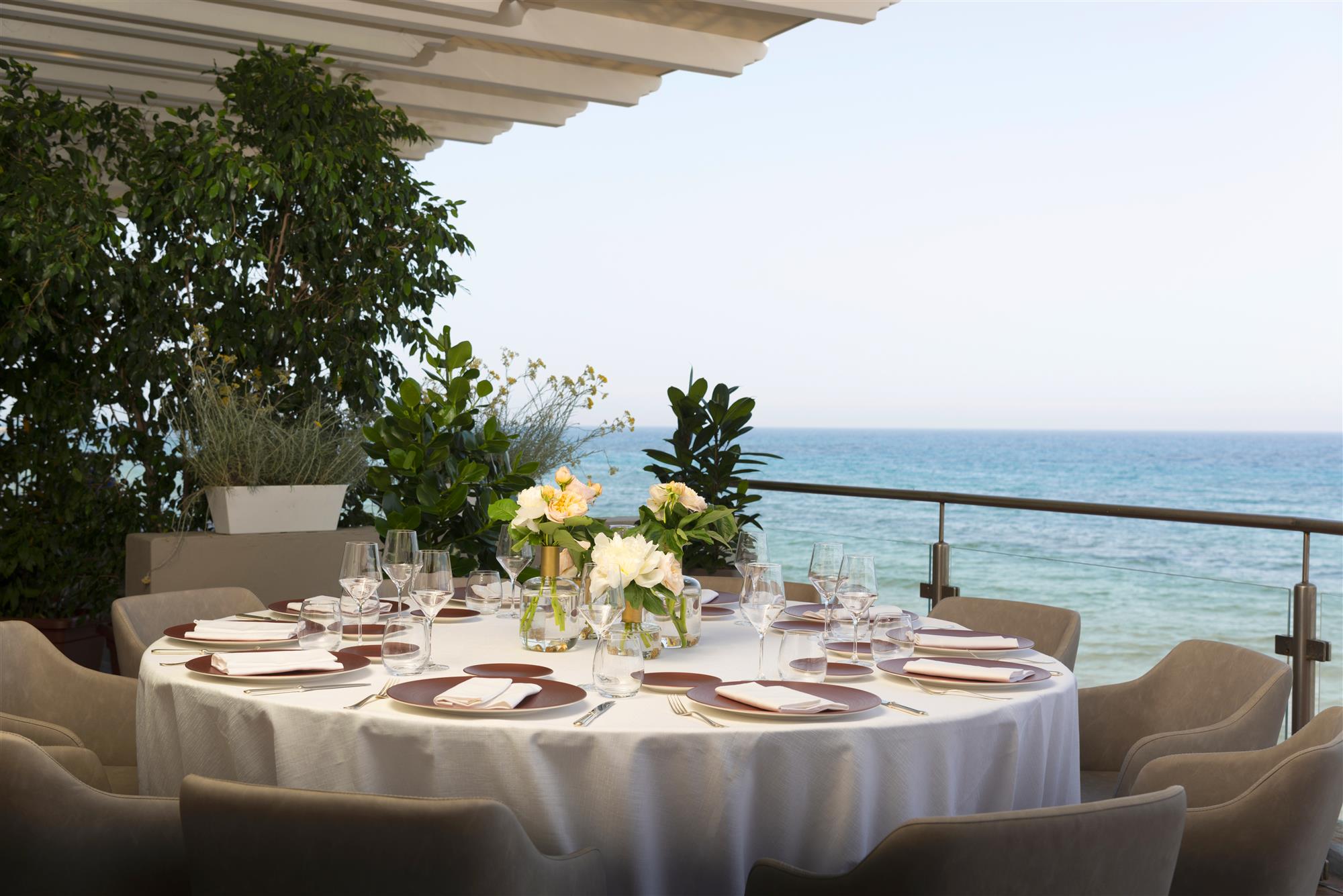
The property operates 27 restaurants and bars; an increase of 6 venues compared to the previous year. The offer spans fine dining by Heinz Beck and Carlo Cracco, with Michelin-starred chef Andrea Berton returning this year, alongside Sardinian and Italian venues, international cuisines, beachfront dining and family-oriented outlets. As the resort operates primarily on a half-board basis, the published F&B figure likely reflects internal package allocation rather than standalone dining demand. The value of food and beverage in this case is the wide variety of concepts, covering fine dining, local cuisine and casual venues, which give guests enough reason to stay on property for days without repeating an experience, and it creates a complete holiday destination.
Looking ahead, Forte Village has committed approximately €40 million in capital investment through 2030 for the development of three new exclusive villas, alongside a planned reduction in room inventory to enhance exclusivity and privacy for high-spending international travellers.
Heinz Beck Restaurant
Source: Forte Village Courtesy
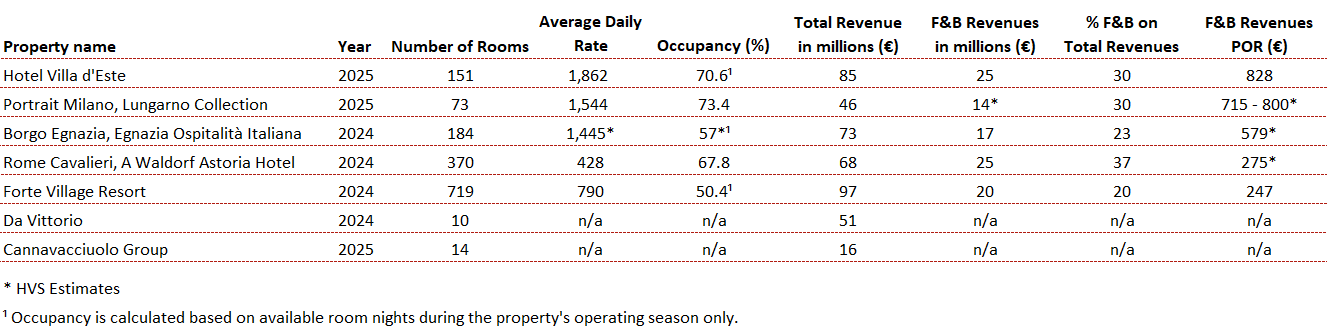
Collectively, the case studies demonstrate the varying roles F&B can play depending on the nature of the asset, ranging from a reputational anchor within a hotel, to a scalable standalone platform, to a primary driver of accommodation demand, or an integrated component of broader lifestyle and destination-led ecosystems. The table below summarises the key financial metrics across the case studies analysed.
Table 1: F&B Revenue Contribution: Selected Case Studies
The Rise of Partnerships and Outsourcing
The professionalisation and branding of restaurants in hotels has been accompanied by a parallel shift in how these operations are structured. Luxury hotels are increasingly partnering with established restaurant brands, chefs and specialist operators to strengthen their F&B offering, access new demand pools and acquire external know-how.This evolution is driven by both strategic positioning and operational considerations. From a strategic perspective, internationally recognised brands bring credibility, reduce commercial risk through their proven track record and performance, and provide access to an established client base that actively follows these concepts across destinations.
From an operational standpoint, growing complexity in luxury hospitality operations, combined with seasonality and rising service expectations, is making it increasingly difficult for hotel groups to rely solely on in-house teams in order to deliver a high-end guest experience. In this context, partnerships also provide access to more structured training systems and established talent pools, helping to mitigate recruitment and retention constraints.
As a result, the contractual landscape has become more diverse, ranging from lease structures and management agreements to revenue-share models and joint ventures, each reflecting a different allocation of control, risk and return.
Operational Challenges
Nevertheless, the growing reliance on more complex operating models has not removed the underlying structural pressures facing the sector.The first constraint remains labour. Shortages of qualified staff and high turnover continue to weigh on operations, particularly as younger generations are often less attracted to an industry characterised by long and demanding working hours. According to Confcommercio, Italy’s tertiary sector could face a shortfall of up to 275,000 workers in 2026, rising to 470,000 by 2035, with more than 200,000 positions already unfilled today across services and tourism. This challenge is particularly acute in the luxury restaurant segment, where consistency of service is central to the guest experience.
Alongside labour, cost pressures remain persistent. Food prices in Italy increased by 30% between 2019 and July 2025, according to ISTAT, with most of the rise concentrated in the post-pandemic period. While inflation has moderated more recently, the ongoing conflict in the Middle East adds further uncertainty, with potential disruptions to energy and agricultural supply chains putting pressure on key inputs such as fuel and fertilisers, with direct implications for the operating costs of food production and distribution.
Key Geographic Markets
Italy’s branded dining activity is most visible across a limited number of urban and leisure destinations where international demand, luxury hospitality supply and global visibility intersect.Milan
Milan occupies a structurally distinct position within Italy's luxury hospitality landscape, driven by a convergence of culture, events, fashion, finance, design, leisure and business demand. In recent years, several global catalysts have significantly amplified the city's international profile. The Milano Cortina 2026 Winter Olympics are a recent example, with preliminary data from Confcommercio reporting an almost 8% increase in visitors from January to April compared to the same period last year.Alongside event-driven demand, the city is benefiting from a growing high-net-worth resident base supported by Italy's flat-tax regime. According to the World's Wealthiest Cities Report by Henley & Partners and New World Wealth, Milan's resident millionaire population grew by 24% between 2014 and 2024, the fifth-strongest growth among European Union cities, creating a demand layer with preferences increasingly aligned with global gateway cities, including internationally branded dining concepts, private members' clubs and curated lifestyle venues.
This evolving demand base is reshaping Milan’s F&B landscape. International dining concepts and members’ clubs traditionally associated with London, New York, or Dubai are increasingly entering the market, positioning Milan more firmly within the global luxury circuit. Openings such as The Wilde, Nusr-Et at Casa Brera, Sushisamba at Torre Velasca, and the forthcoming Zuma at The Luxury Collection Milan and Soho House Milan reflect this transition towards a more internationally driven hospitality offering.
Rome
According to Luxury Travel Intelligence, Rome ranked second in the world for new openings of ultra-luxury hotels in 2024, ahead of New York, Sydney, Singapore and Tokyo. Further evidence of this momentum comes from operating performance, with average room occupancy in five-star hotels reaching 77.4% in 2024.Since 2023, the city has seen a series of landmark openings including Bvlgari Hotel, Six Senses, Nobu Hotel and Corinthia. Within the next 24 months, further leading international brands are expected to open including Rosewood, Baccarat, Mandarin Oriental and Four Seasons.
The entry of these international players reflects a shift in the profile of visitors and residents Rome is attracting and is introducing a more professionalised generation of F&B concepts that will raise the competitive bar across the city’s dining market. Zuma at Palazzo Fendi, present in Rome since 2016, was among the first internationally recognised dining brands to establish itself in a market historically dominated by independent Italian operators. The opening of Bvlgari Hotel Roma, with its restaurant by Niko Romito, illustrates how partnerships with world-renowned chefs can elevate the F&B proposition and strengthen the experiential offer within an already highly exclusive luxury portfolio. More recently, at Orient Express La Minerva, Gigi Rigolatto, a rooftop restaurant concept by Rikas Hospitality Group and Paris Society, introduced a social dining format designed to attract external guests through the strength of its location and brand, rather than hotel occupancy alone. Similarly, the newly opened Corinthia Rome appointed internationally acclaimed Italian chef Carlo Cracco as Chef Partner, bringing his culinary vision to the hotel's entire food and beverage programme, including its signature restaurant Viride.
Leisure Destinations
Italy's leading coastal and alpine destinations have emerged as some of the most active markets for branded Food and Beverage in Europe, driven by a combination of high-spending travellers, a concentration of luxury accommodation and high international visibility.Costa Smeralda is the most concentrated example. Porto Cervo and its surroundings have attracted a density of leading international operators over the last decade, with Novikov, Nikki Beach, Matsuhisa, Beefbar and Zuma establishing seasonal operations, more recently joined by Nammos, Langosteria and Paper Moon, among others, alongside Italian brands extending their presence to Sardinia. This concentration is unmatched elsewhere in Italy and is complemented by an established base of high-end local venues.
Across other coastal destinations, the dynamic is present but takes different forms. In Capri, Zuma has operated as a seasonal restaurant within Capri Palace Jumeirah since 2023, though the broader high-end dining scene remains predominantly locally owned. In Taormina, fashion houses have claimed some of the destination's most iconic spaces, with Dolce & Gabbana restyling the historic Mocambo Bar under their brand identity and Louis Vuitton opening its first Italian café in 2023. In Forte dei Marmi, the same dynamic has materialised across a broader range of formats. Pasticceria Marchesi, part of the Prada Group, opened the Caffè Principe in the town's historic premises of the same name in 2023, followed by the arrival of Crazy Pizza in the subsequent year. The movement has extended to beach clubs, which are increasingly integrating branded dining experiences, including Nobu at Bagno Alpemare in 2024 and, more recently, Da Giacomo Milano at Bagno Marechiaro in 2026.
Among alpine destinations, Cortina d'Ampezzo stands out as the clearest example of this trend. Over the past few years, the destination has recorded a steady increase in high-profile Food and Beverage openings, closely aligned with the repositioning of its hospitality market. The Alajmo Group first introduced a temporary restaurant at Hotel Ancora in 2020 before establishing a permanent, year-round multi-level fine dining venue and bar. In December 2023, Majestas Group assumed control of the historic El Camineto, while Antica Bottega del Vino expanded its award-winning Verona concept in late 2025. Most recently, Zuma opened at The First by The Pavilions for the winter season of 2026.
Alongside these, a series of luxury hotel developments, both recently completed and in the pipeline, including Hotel Ancora, Grand Hotel Ampezzo by Dhom Collection, Mandarin Oriental, Emblems Collection and Le Graal, combined with the visibility generated by the Milano-Cortina 2026 Winter Olympics, are expected to support the entry of additional international Food and Beverage brands in the coming years.
The trend is accelerating, with nearly every new luxury hotel opening now paired with a prominent branded F&B concept. Recent examples in other leisure destinations include Baccarat Florence with Francis Mallmann, Edition Lake Como with Mauro Colagreco, Belmond Villa San Michele with Alessandro Cozzolino featuring only eight tables, and Les Airelles Palladio Venice, bringing together Nobu Matsuhisa, Jean-Georges Vongerichten, Norbert Niederkofler and Cédric Grolet under one roof. Taken together, these destinations show that branded F&B is no longer limited to a few flagship resorts but is now a recurring feature across Europe's main leisure markets. What links them is not a single operating model, but strong demand and destinations with a clear identity that can support international brands.
Outlook 2026
The trajectory of Italy's luxury hospitality market points towards a deeper integration of accommodation, dining, wellness and lifestyle within single concepts. The boundaries between a hotel, a restaurant, a members' club and a retail experience are becoming harder to define, and the most competitive assets will be those that manage this complexity with intention.In this evolving landscape, gastronomy is already a defining component. As supply expands and international competition intensifies, the ability to offer something distinctive at the table will become one of the primary ways a property differentiates itself. The gap between a well-positioned asset and a well-performing one will increasingly be determined by the quality of execution and the coherence of the overall experience rather than the strength of the location alone.
The case studies examined in this article illustrate that there is no single model driving this shift. Value creation takes different forms, whether through a chef-led identity extended across multiple formats, a territorially rooted resort built around local culture, or an urban mixed-use asset where restaurants operate as public-facing destinations. What connects them is a clear and consistent proposition that runs through every touchpoint of the guest experience.
At the same time, as international brands and operators continue to enter the market, the question of authenticity becomes increasingly relevant. Italy's appeal to high-spending travellers has always rested on something that goes beyond product quality: a sense of place, cultural depth and culinary heritage that cannot be manufactured. The properties that will define the next chapter of Italian luxury hospitality are those that understand how to balance international standards with local essence, using branded partnerships and chef collaborations to elevate their offer without erasing the identity that makes a destination worth visiting in the first place.
Additional Contribution
This article also benefited from contributions by Audrey Gerken, Research Intern at HVS Southern Europe.
1 Valeriano Antonioli, quoted in "Ferragamo's Formula Behind Portrait Milano's Luxury Hotel Launch," Skift, April 21, 2024, https://skift.com/2024/04/21/ferragamos-formula-behind-portrait-milanos-luxury-hotel-launch/.