
Market Report

HVS Takeaways: Optimism Dominates at Hunter Conference 2026

March 19, 2026
Optimism took center stage at this year’s Hunter Conference, with continued strength in luxury and upper-upscale properties driving greater investor interest. The industry remains hopeful that the FIFA World Cup will prove to be a windfall, Middle East conflicts will soon be resolved, and gas prices will stabilize, leading to a stronger second half of 2026 for RevPAR growth, hotel pricing, and transactions.
Our Brokerage, Asset Management & Advisory, Design, and Consulting & Valuation divisions attended this week’s Hunter Conference, which took place at Atlanta’s new Signia by Hilton hotel. Optimism took center stage at the event, with continued strength in luxury and upper-upscale properties driving greater investor interest. The industry remains hopeful that the FIFA World Cup 2026 will prove to be a windfall, Middle East conflicts will soon be resolved, and gas prices will stabilize, leading to a stronger second half of 2026 for RevPAR growth, hotel pricing, and transactions.

The K-Shaped Trend

Talk of this year’s event as a “K-shaped conference” came up often, with the continued strong growth in luxury and upper-upscale RevPAR, while economy and mid-rate RevPAR is declining (although recent weeks have shown some occupancy growth in these lower segments and only slight ADR loss). Accordingly, many investors believe that this is an excellent time to buy, with tremendous opportunity in the upscale and strongly branded asset categories. The importance of branding was a definite theme of the conference.

While a few years ago the conference message about portfolio diversity was focused on operators holding extended-stay hotels in their portfolio as recession riders, this year's event focused on the importance of including upscale properties to take advantage of K-shaped recoveries.

Anticipating the 2026 FIFA World Cup

Curiosity, caution, and optimism surrounding the FIFA World Cup was an important conversation during Hunter. The country has not hosted an event like the World Cup since the Summer Olympics of 1996. Even then, the games were two weeks of events in just one city, while the World Cup will span two months of events (June 11–July 19) across eleven U.S. cities, as well as several locations in Canada and Mexico. Not only are the host cities expected to experience boosts in demand, but the smaller cities hosting the teams for “home base” and practice camps are also expected to benefit from these visitors.

Additionally, while most markets were anticipating a rate spike in the game months, it seems that many operators have had to tone down these expectations. However, the prime booking window for the event is around 90 days, according to the FIFA organization, and we have only recently entered this period. Thus, there may be hope on the horizon, at least for the tournament’s ADR impact.

While there is great concern over the international perspective on the United States right now, particularly how comfortable (or not) foreign travelers may feel about visiting, FIFA reported that these events typically demonstrate a 70-to-30 domestic-to-international demand split. As a result, even notable international demand downturns should not substantially affect the attendee figures.

Positive Signs for Transaction Activity

Cap rates that have settled in the 8.0% to 8.5% range on stabilized assets are being increasingly accepted in the market as normal. The risk premium is now being reflected in today’s cap rates, and the bid/ask gap is narrowing.

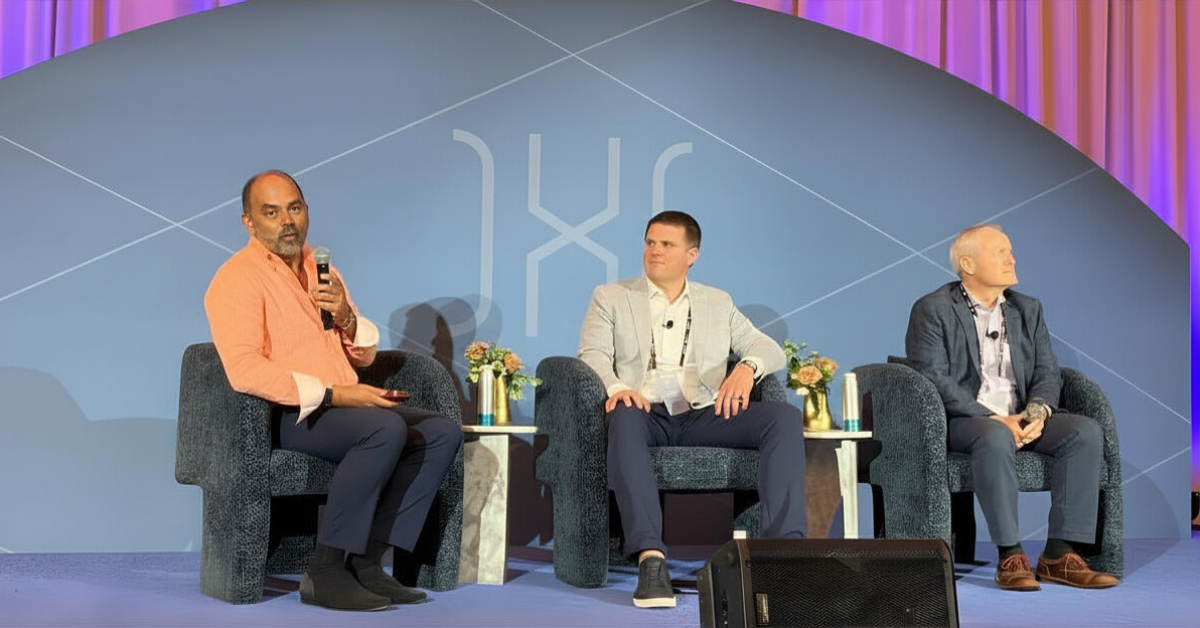
Speakers on stage generally presented a sentiment of optimism (particularly for the second half of the year). One or two additional interest rate cuts expected later this year should help trigger more transactions, leading to a stronger finish.

The HVS Forecast for the U.S. Hotel Industry

At HVS, we continue to monitor the performance of the industry, and despite the rise in gas prices and Middle East conflicts, RevPAR gains thus far in 2026 have been notable, even for the week and 28-day period ending March 14.

Our latest take on the U.S. hotel industry and our nationwide forecast can be found here: HVS U.S. Market Pulse: February 2026. Stay tuned for our live insider session on May 28, where HVS will unveil our mid‑year U.S. hotel industry outlook—your essential briefing ahead of NYU.
Market Report

HVS Takeaways: Optimism Dominates at Hunter Conference 2026

March 19, 2026
Optimism took center stage at this year’s Hunter Conference, with continued strength in luxury and upper-upscale properties driving greater investor interest. The industry remains hopeful that the FIFA World Cup will prove to be a windfall, Middle East conflicts will soon be resolved, and gas prices will stabilize, leading to a stronger second half of 2026 for RevPAR growth, hotel pricing, and transactions.
Our Brokerage, Asset Management & Advisory, Design, and Consulting & Valuation divisions attended this week’s Hunter Conference, which took place at Atlanta’s new Signia by Hilton hotel. Optimism took center stage at the event, with continued strength in luxury and upper-upscale properties driving greater investor interest. The industry remains hopeful that the FIFA World Cup 2026 will prove to be a windfall, Middle East conflicts will soon be resolved, and gas prices will stabilize, leading to a stronger second half of 2026 for RevPAR growth, hotel pricing, and transactions.

The K-Shaped Trend

Talk of this year’s event as a “K-shaped conference” came up often, with the continued strong growth in luxury and upper-upscale RevPAR, while economy and mid-rate RevPAR is declining (although recent weeks have shown some occupancy growth in these lower segments and only slight ADR loss). Accordingly, many investors believe that this is an excellent time to buy, with tremendous opportunity in the upscale and strongly branded asset categories. The importance of branding was a definite theme of the conference.

While a few years ago the conference message about portfolio diversity was focused on operators holding extended-stay hotels in their portfolio as recession riders, this year's event focused on the importance of including upscale properties to take advantage of K-shaped recoveries.

Anticipating the 2026 FIFA World Cup

Curiosity, caution, and optimism surrounding the FIFA World Cup was an important conversation during Hunter. The country has not hosted an event like the World Cup since the Summer Olympics of 1996. Even then, the games were two weeks of events in just one city, while the World Cup will span two months of events (June 11–July 19) across eleven U.S. cities, as well as several locations in Canada and Mexico. Not only are the host cities expected to experience boosts in demand, but the smaller cities hosting the teams for “home base” and practice camps are also expected to benefit from these visitors.

Additionally, while most markets were anticipating a rate spike in the game months, it seems that many operators have had to tone down these expectations. However, the prime booking window for the event is around 90 days, according to the FIFA organization, and we have only recently entered this period. Thus, there may be hope on the horizon, at least for the tournament’s ADR impact.

While there is great concern over the international perspective on the United States right now, particularly how comfortable (or not) foreign travelers may feel about visiting, FIFA reported that these events typically demonstrate a 70-to-30 domestic-to-international demand split. As a result, even notable international demand downturns should not substantially affect the attendee figures.

Positive Signs for Transaction Activity

Cap rates that have settled in the 8.0% to 8.5% range on stabilized assets are being increasingly accepted in the market as normal. The risk premium is now being reflected in today’s cap rates, and the bid/ask gap is narrowing.

Speakers on stage generally presented a sentiment of optimism (particularly for the second half of the year). One or two additional interest rate cuts expected later this year should help trigger more transactions, leading to a stronger finish.

The HVS Forecast for the U.S. Hotel Industry

At HVS, we continue to monitor the performance of the industry, and despite the rise in gas prices and Middle East conflicts, RevPAR gains thus far in 2026 have been notable, even for the week and 28-day period ending March 14.

Our latest take on the U.S. hotel industry and our nationwide forecast can be found here: HVS U.S. Market Pulse: February 2026. Stay tuned for our live insider session on May 28, where HVS will unveil our mid‑year U.S. hotel industry outlook—your essential briefing ahead of NYU.